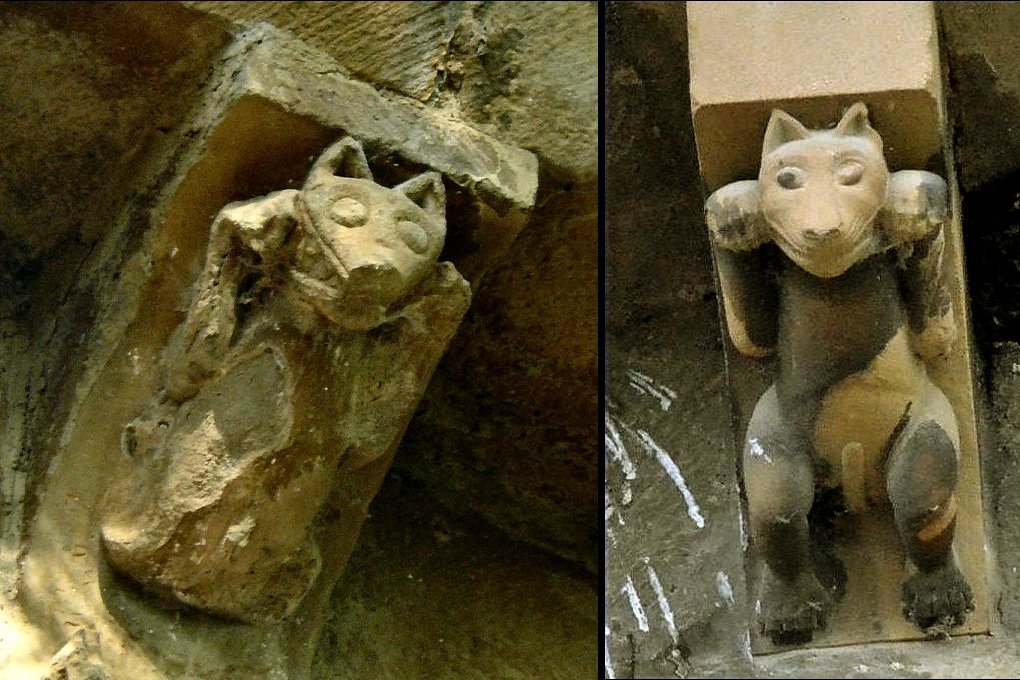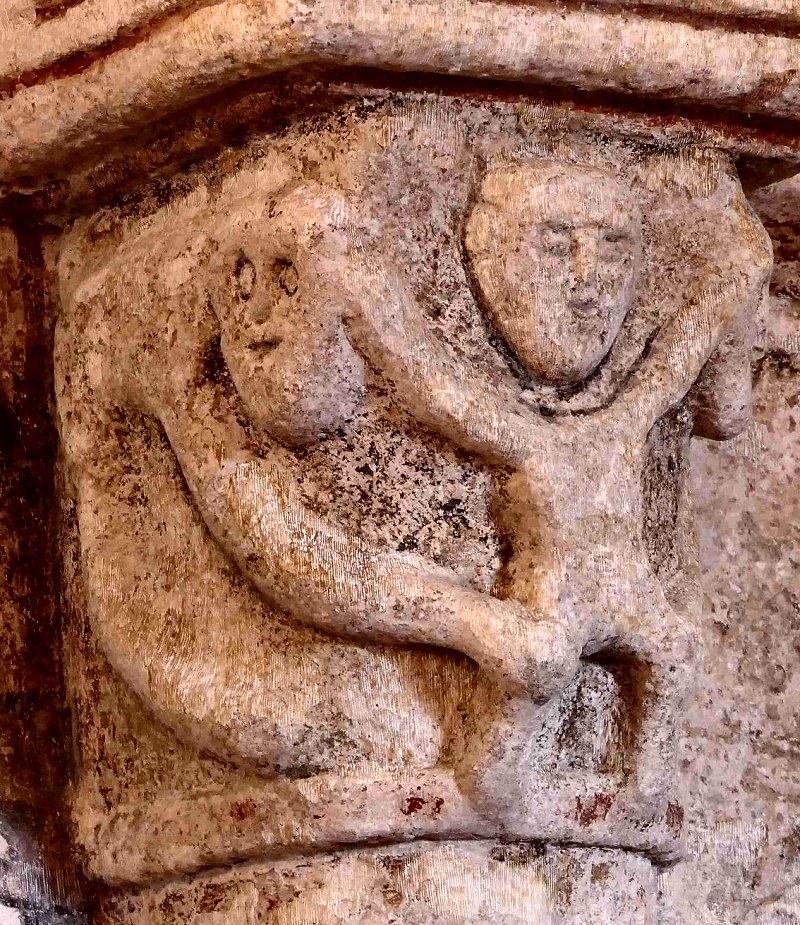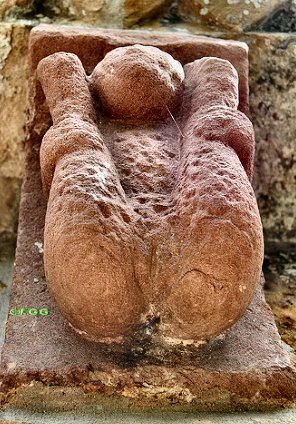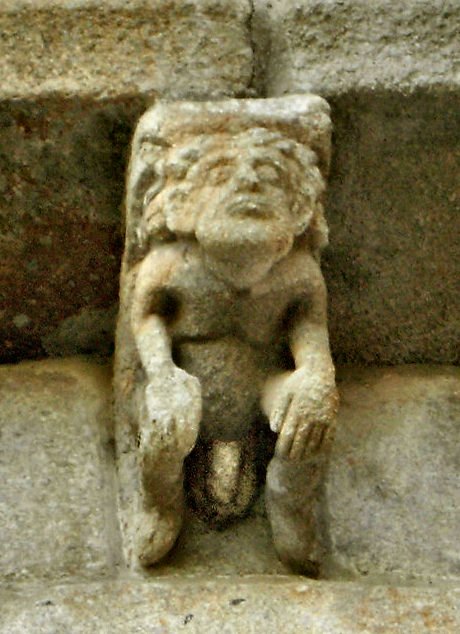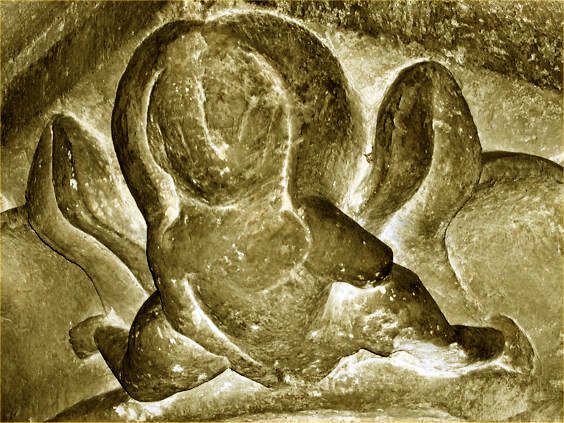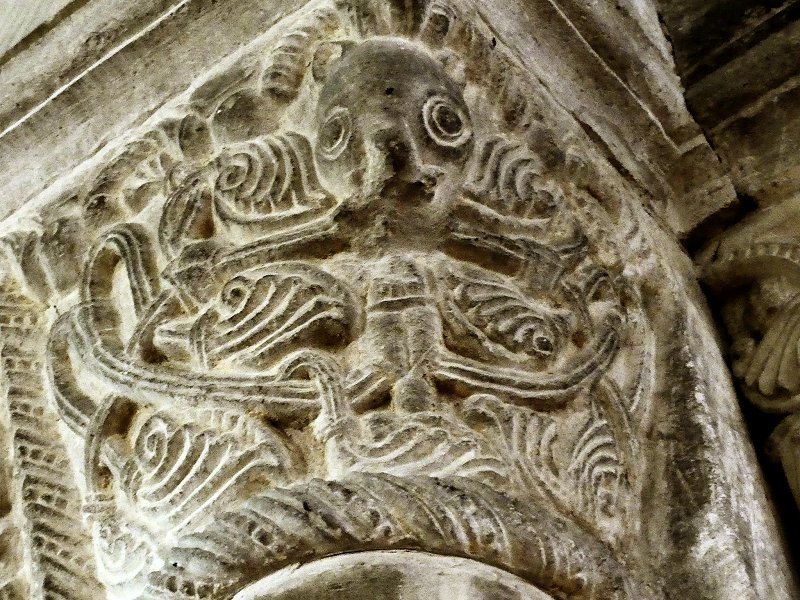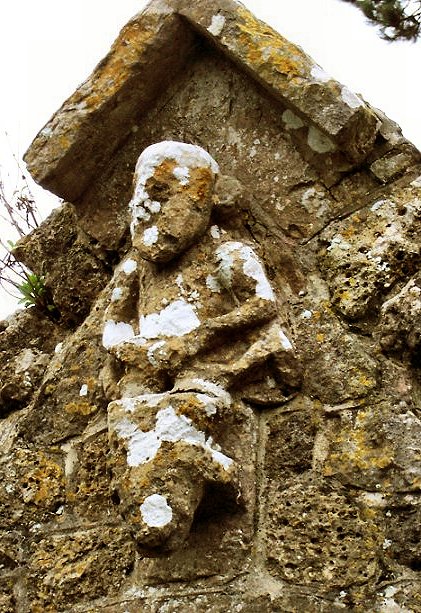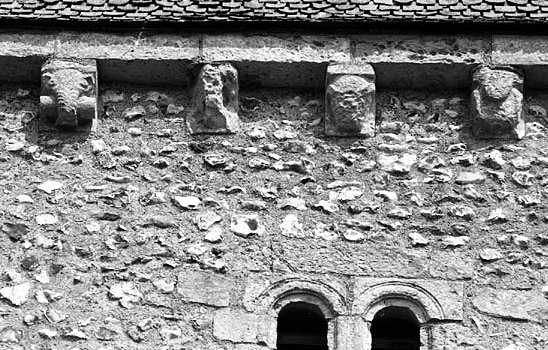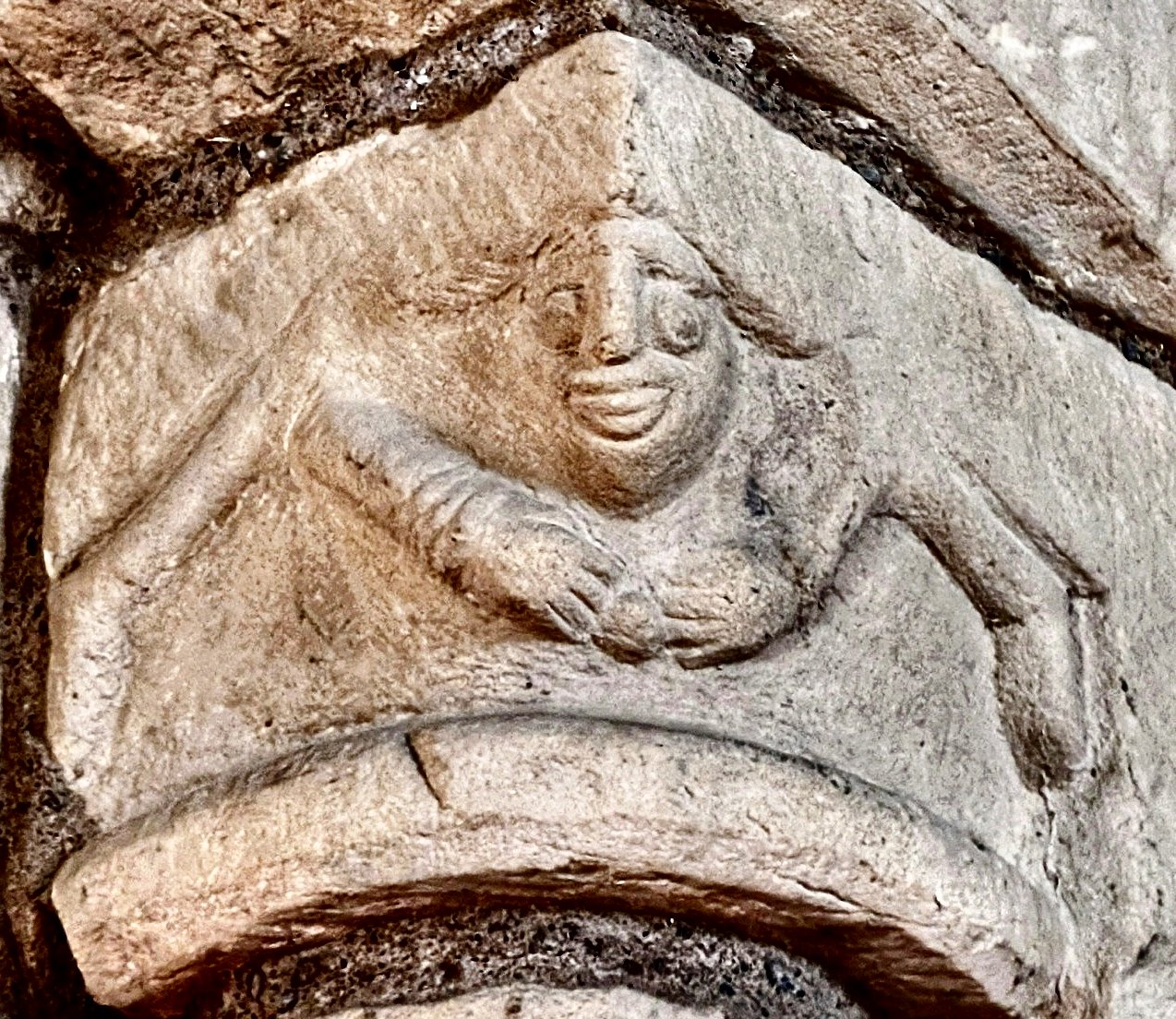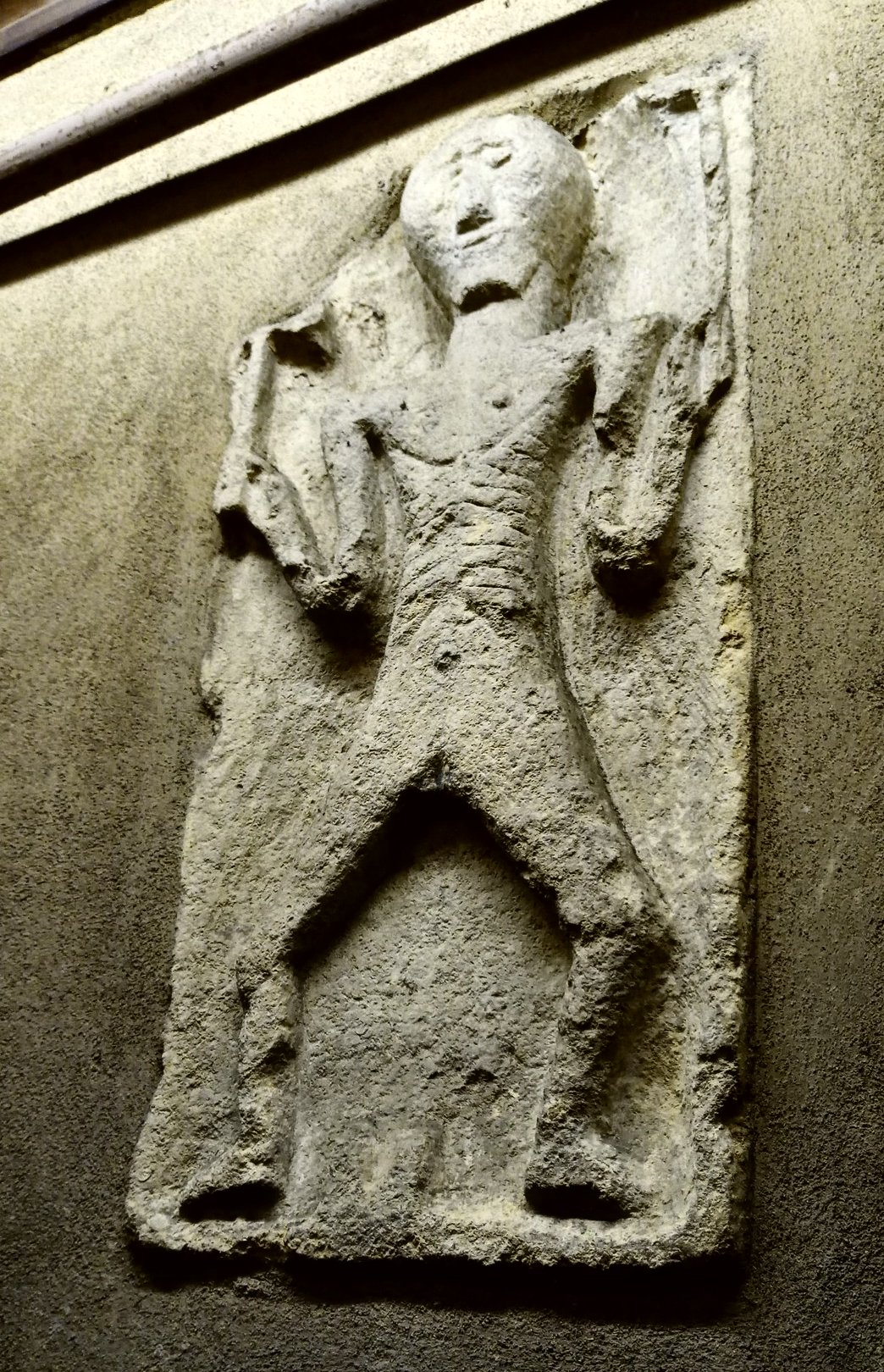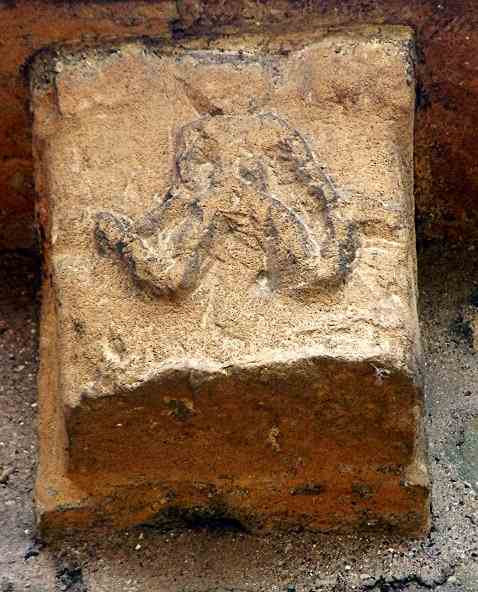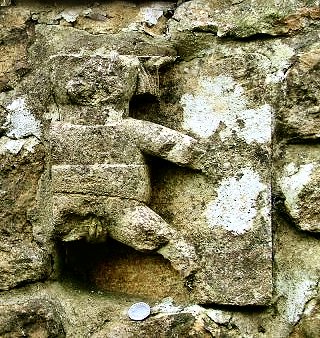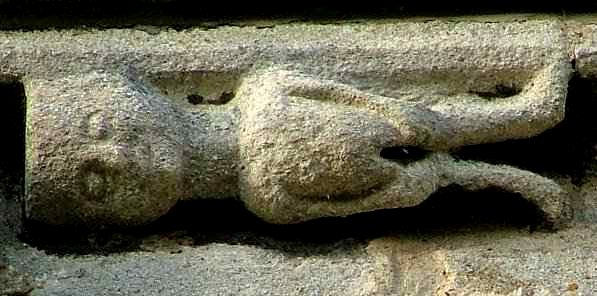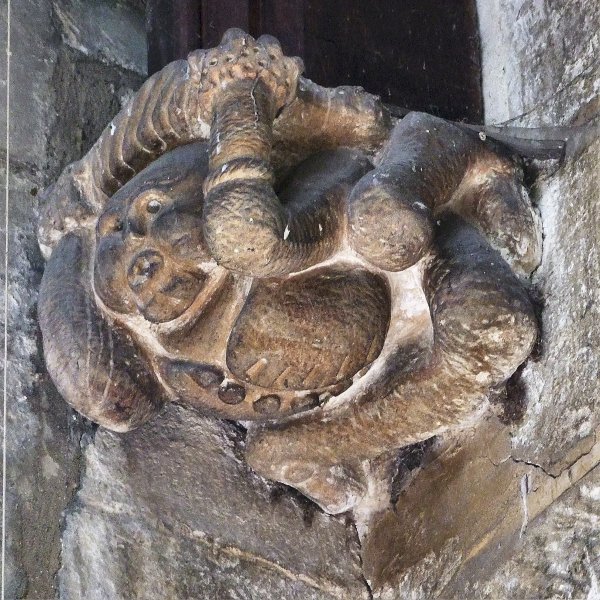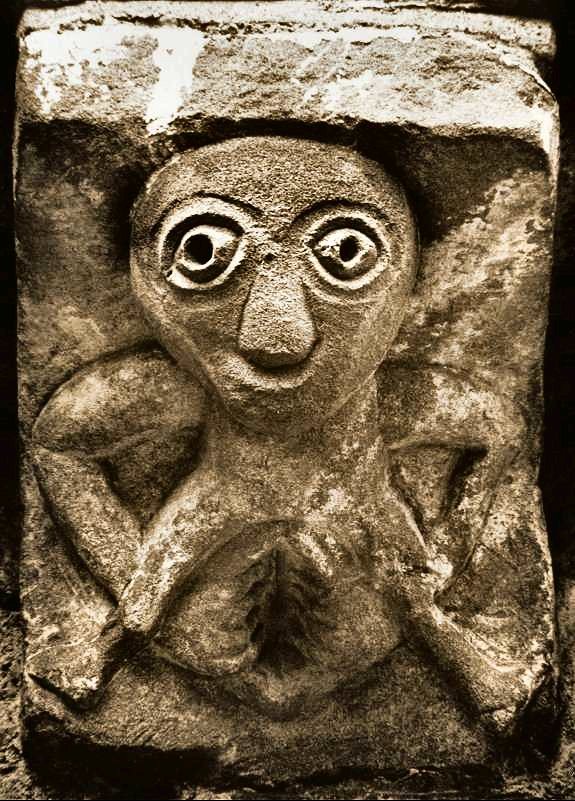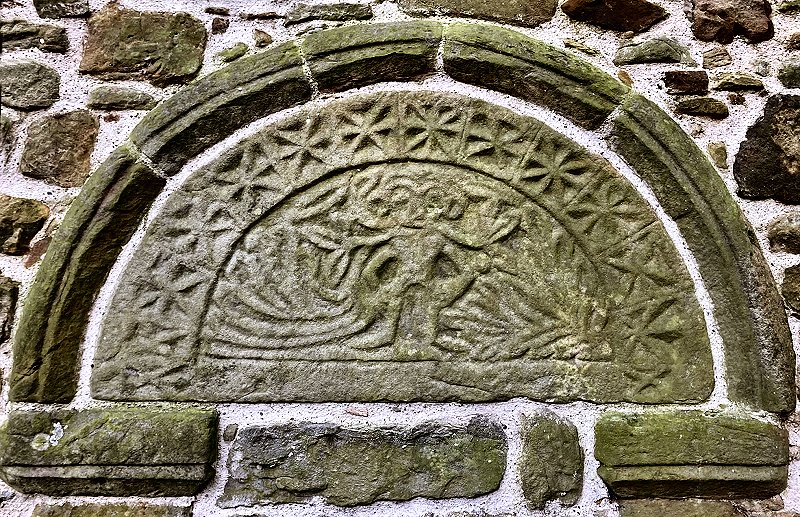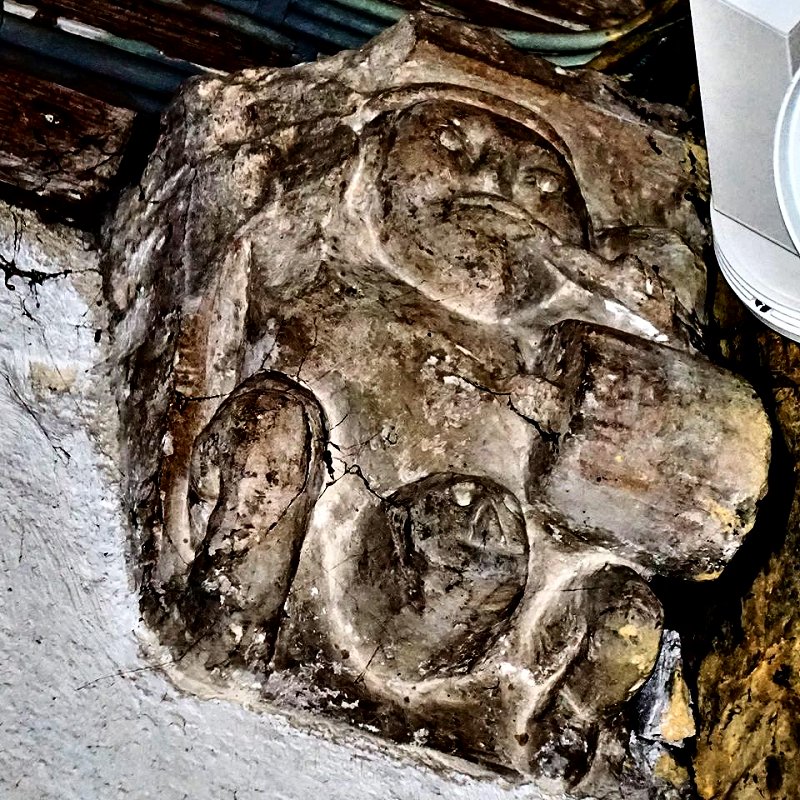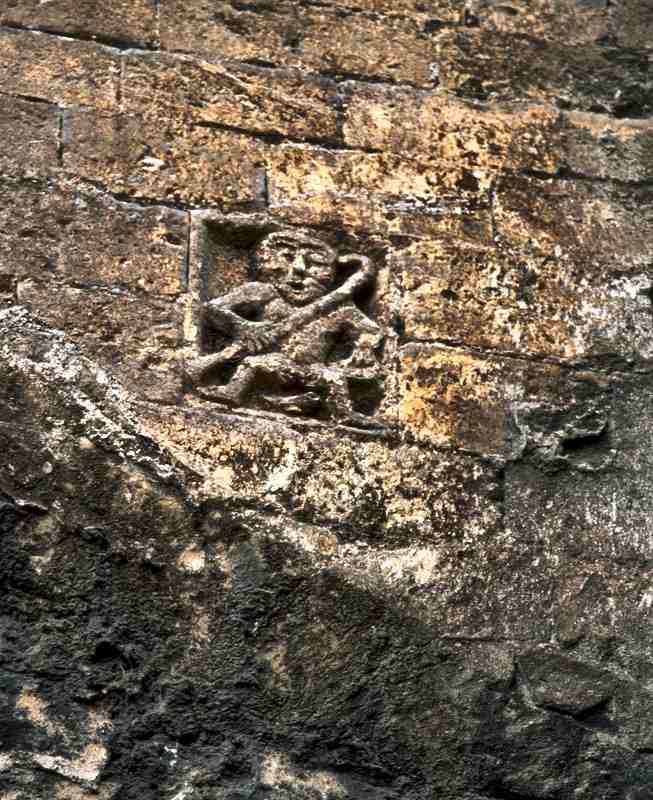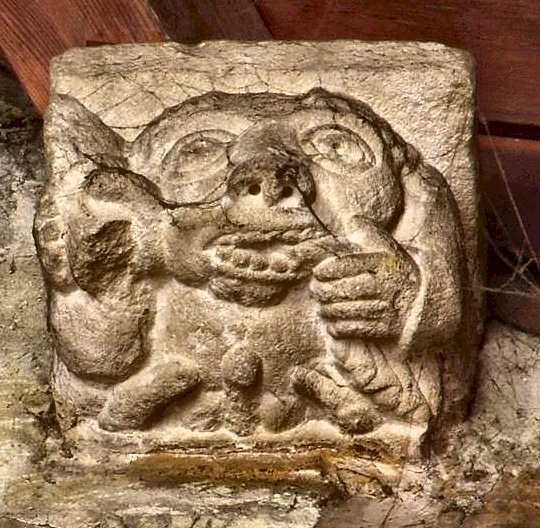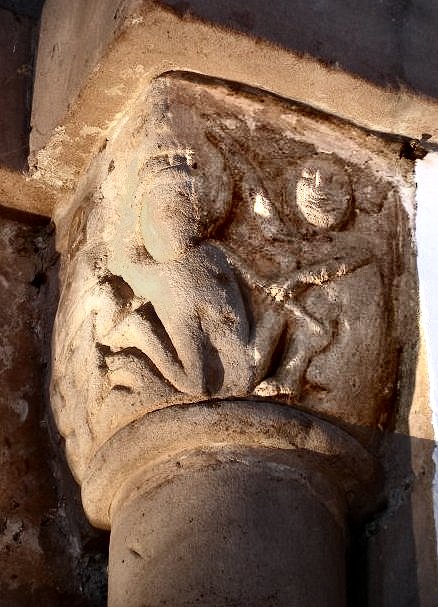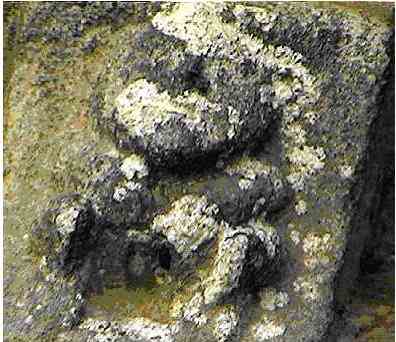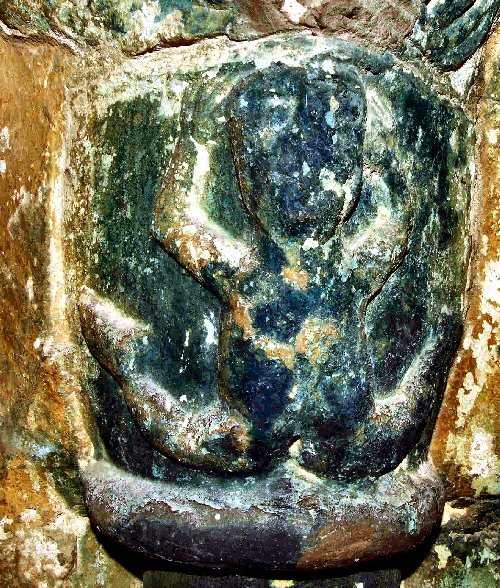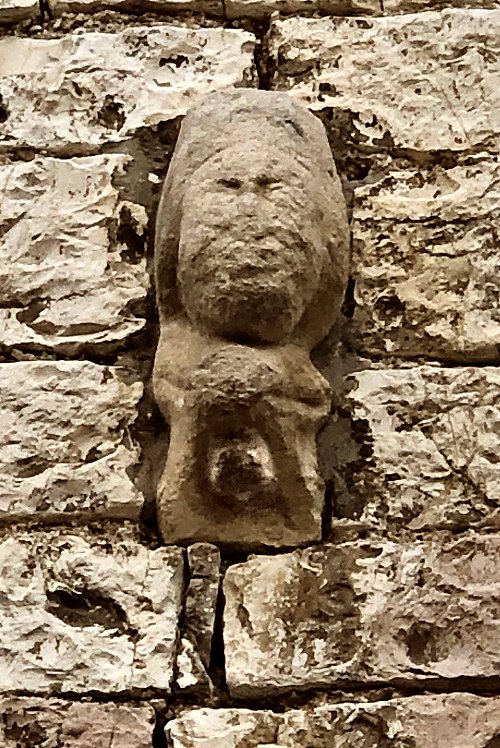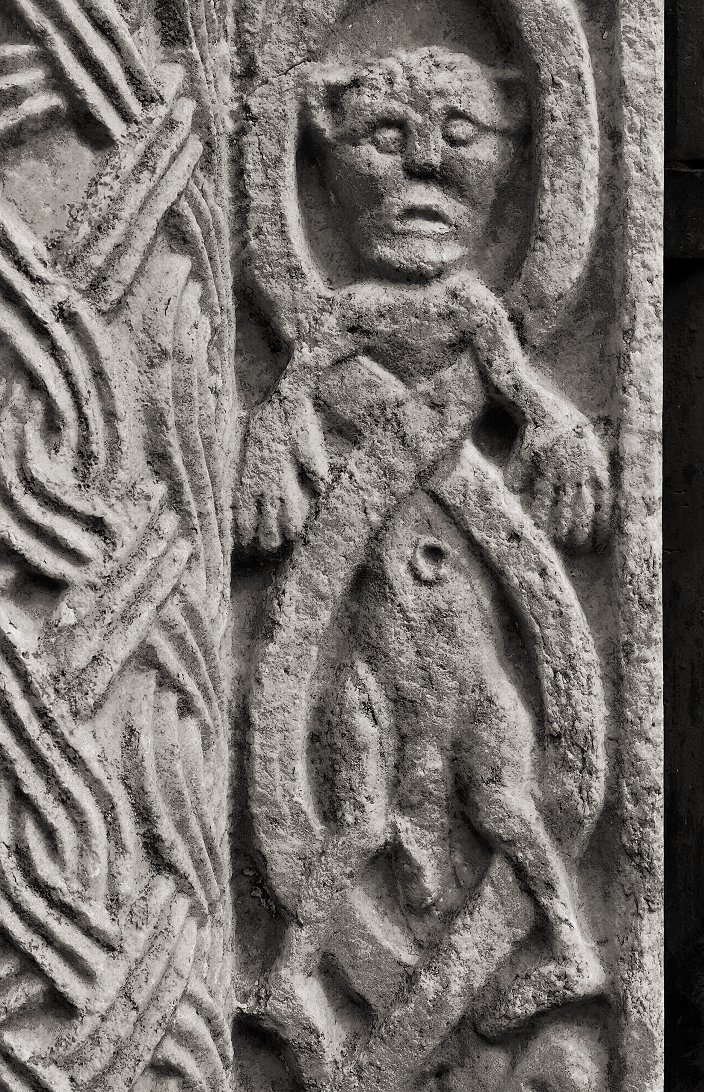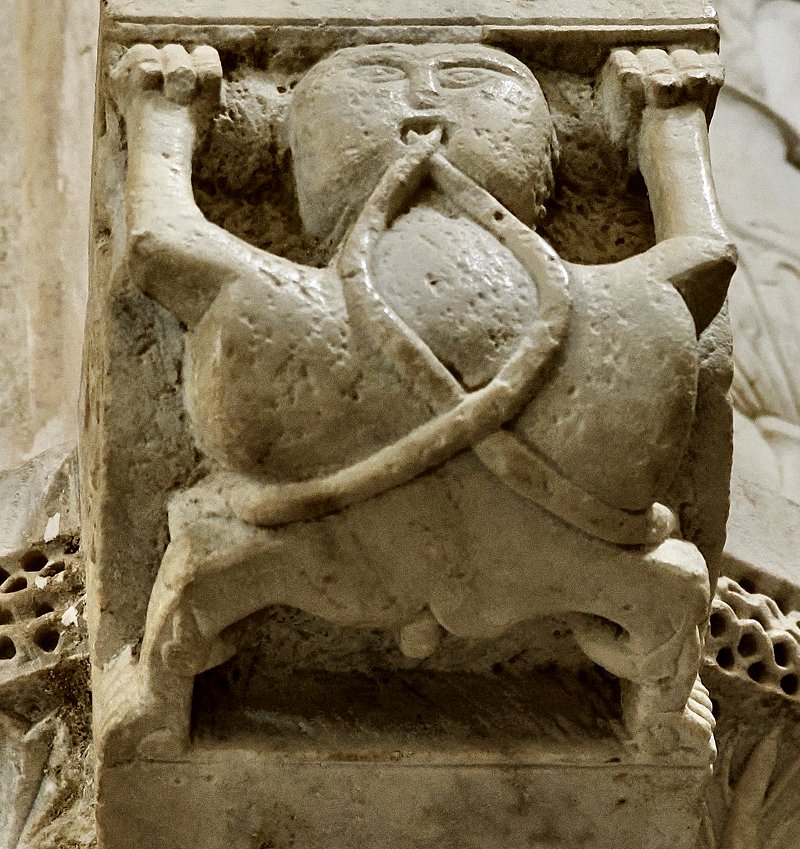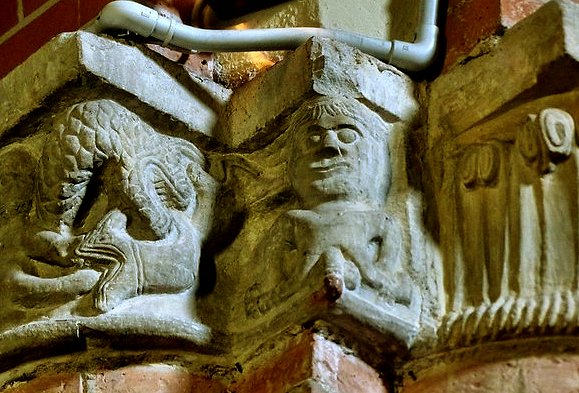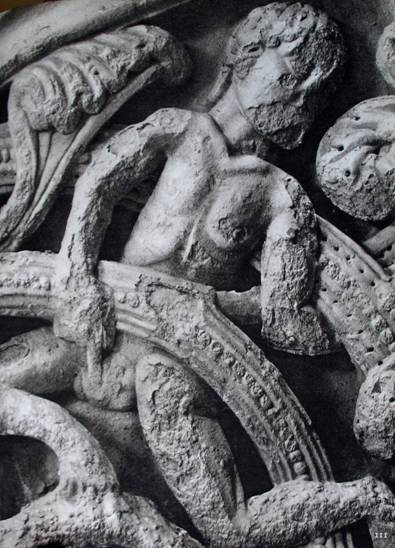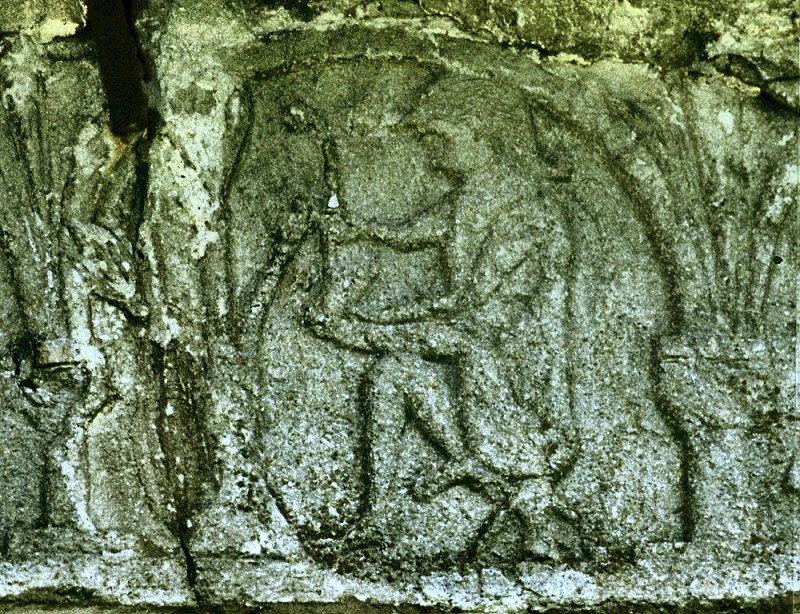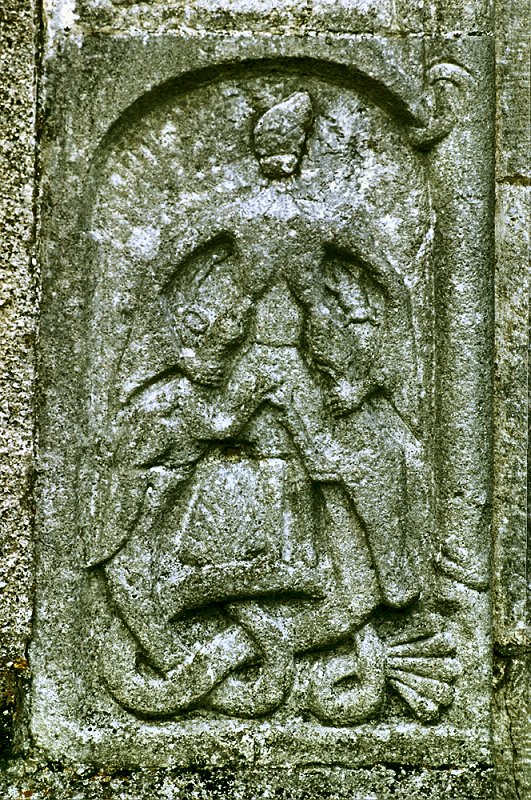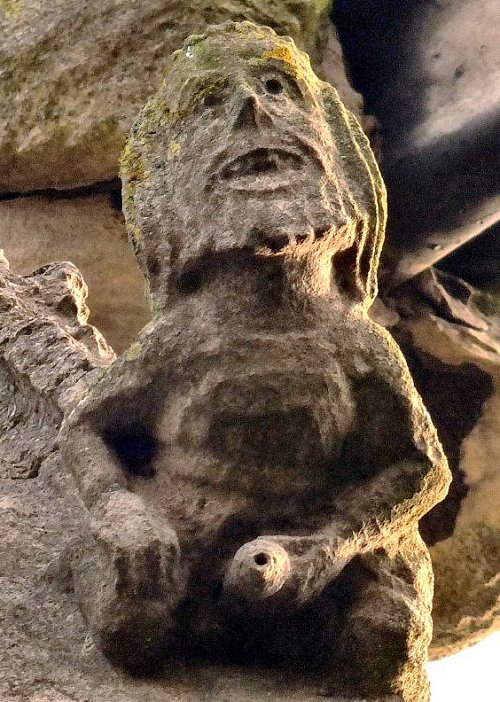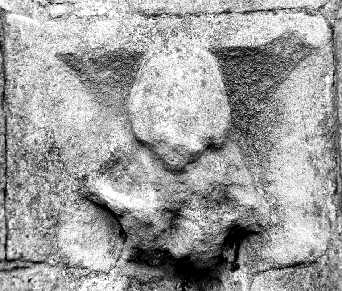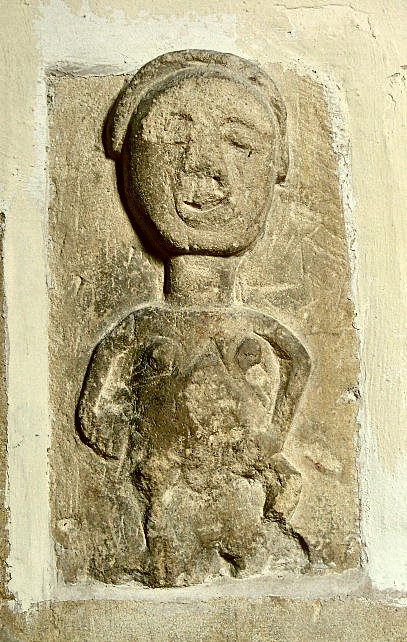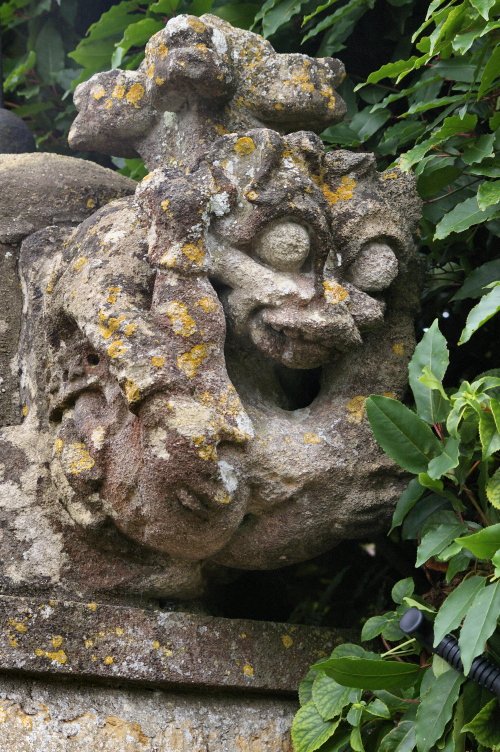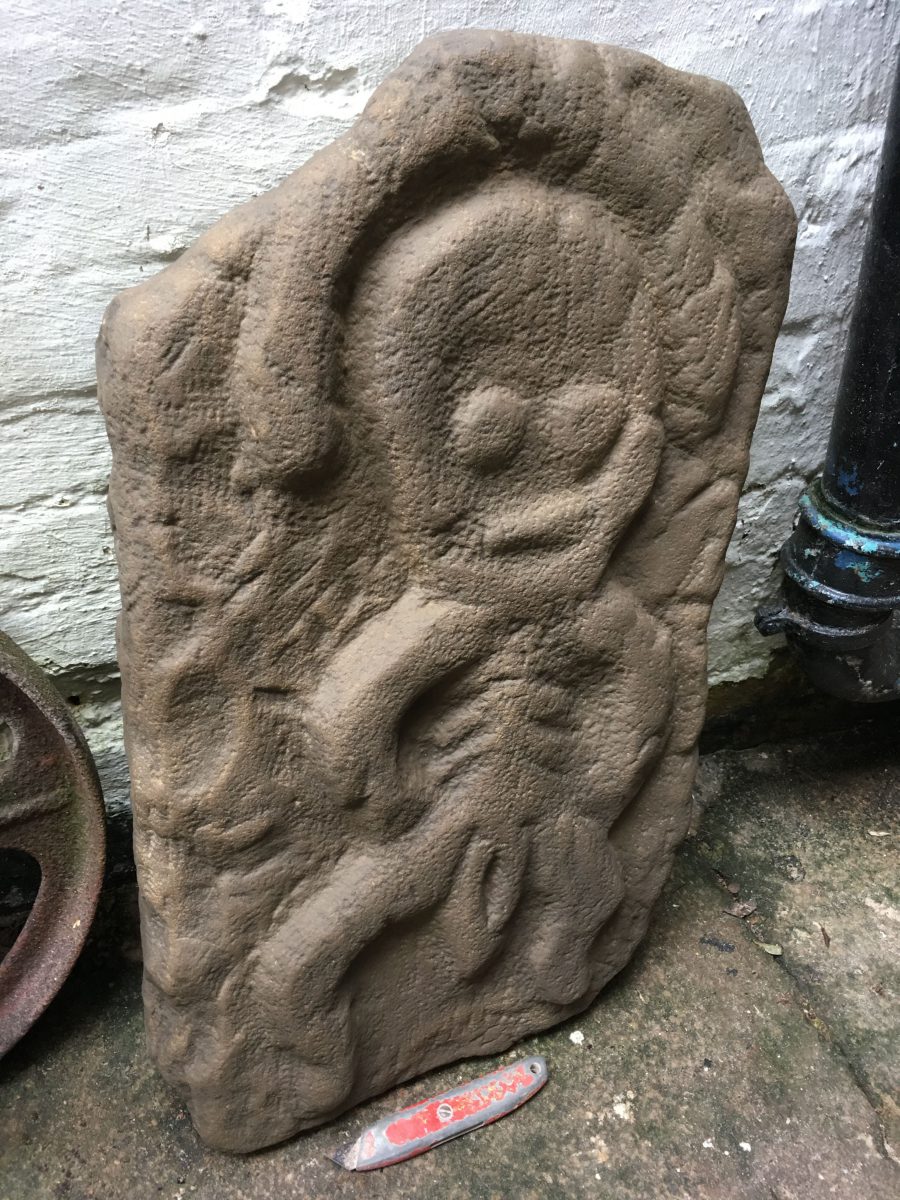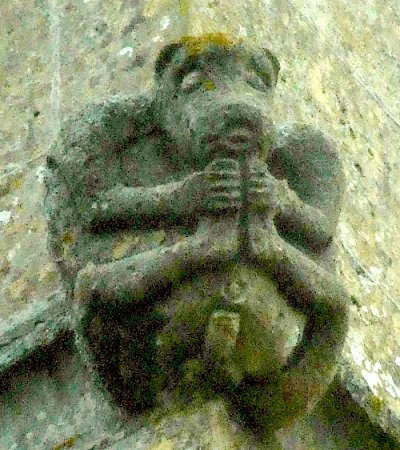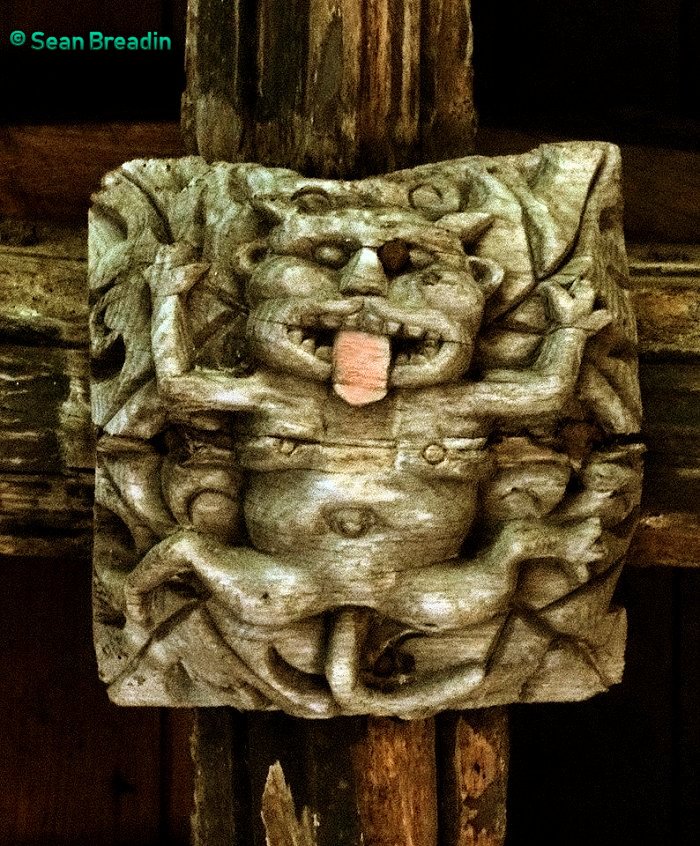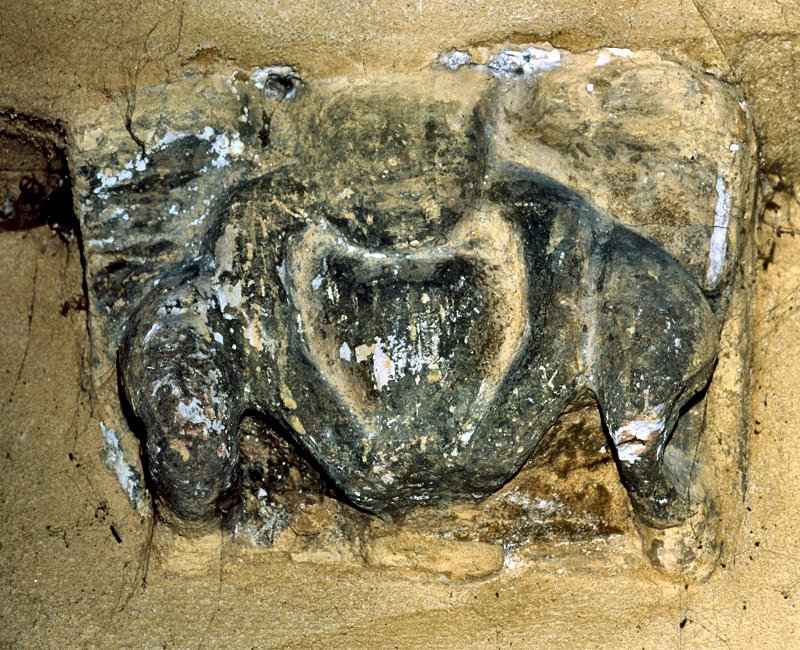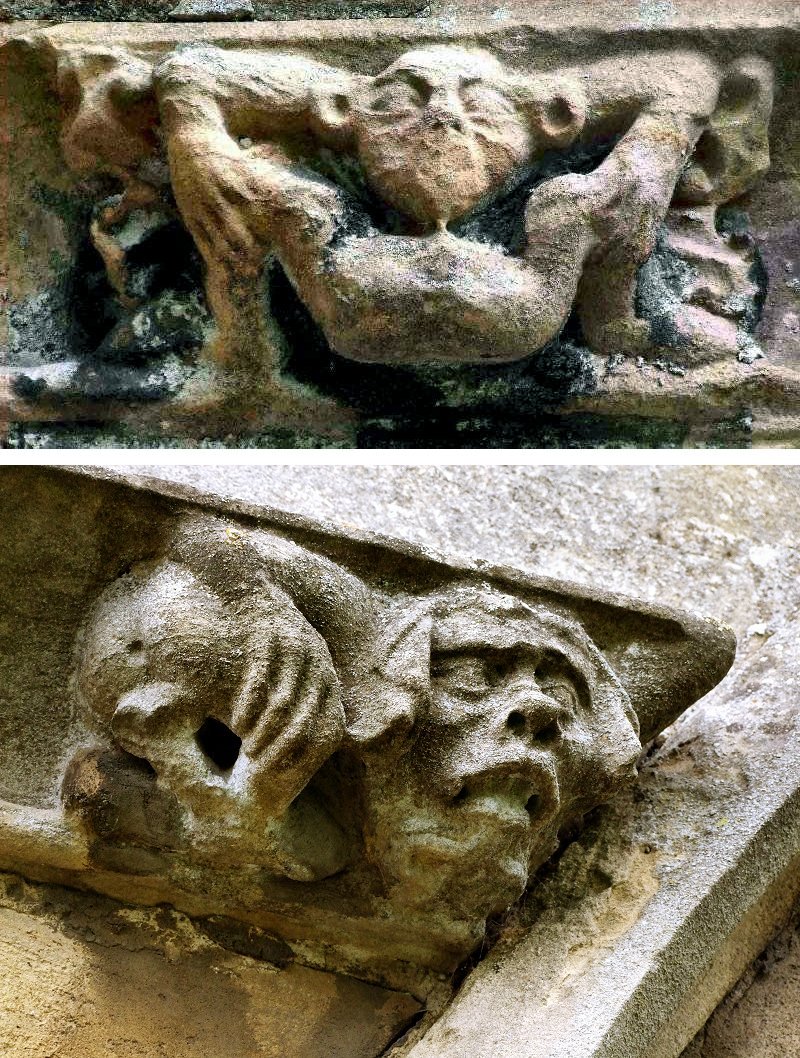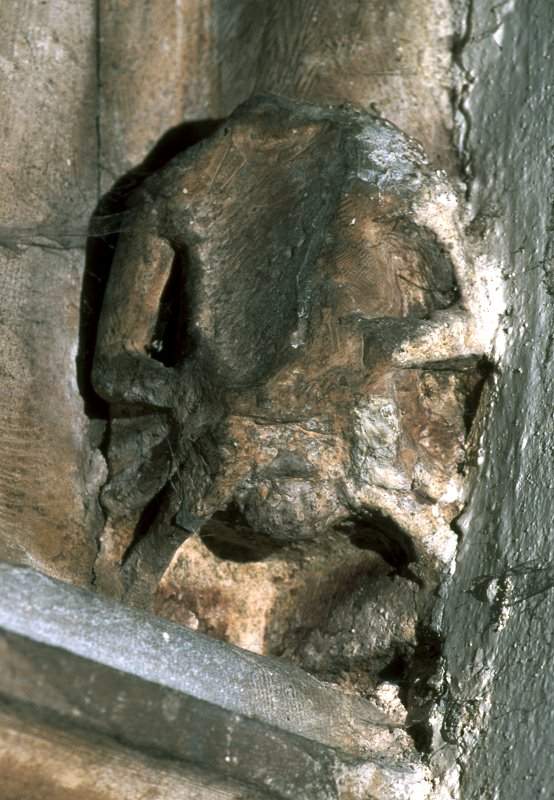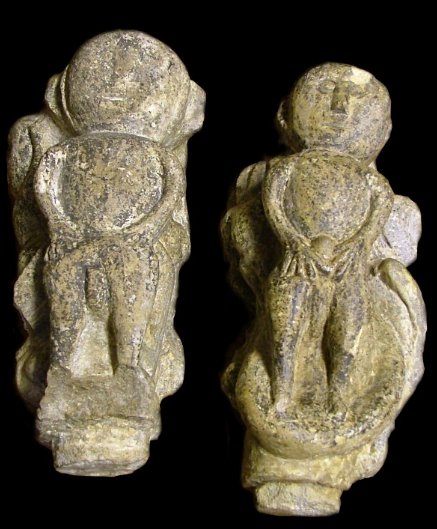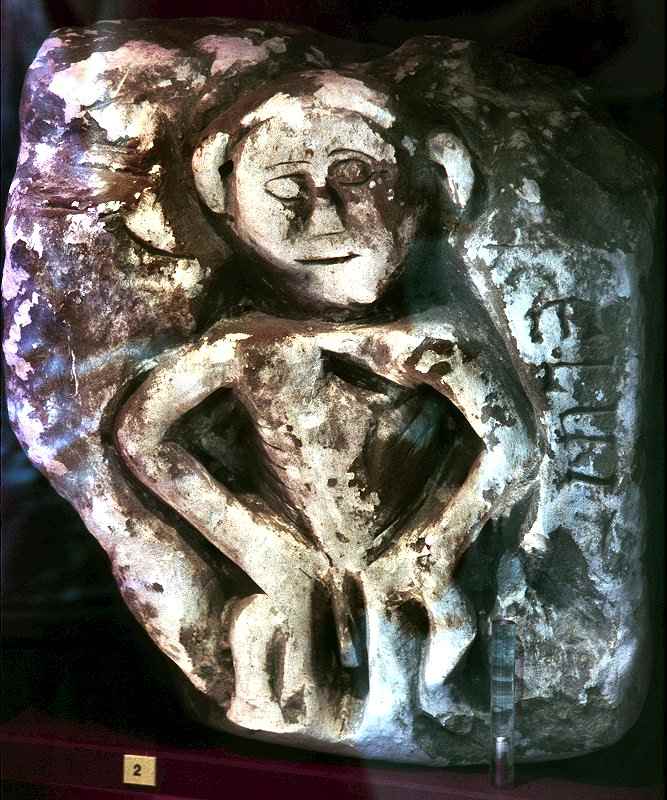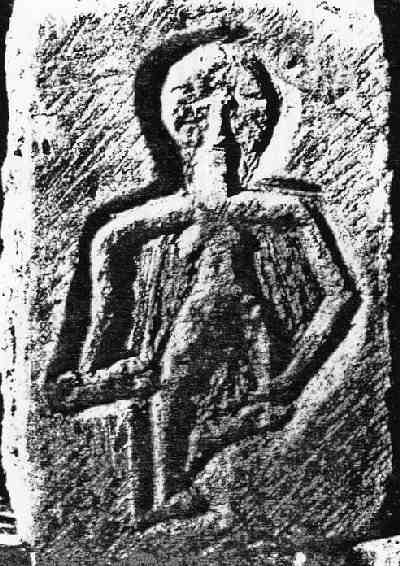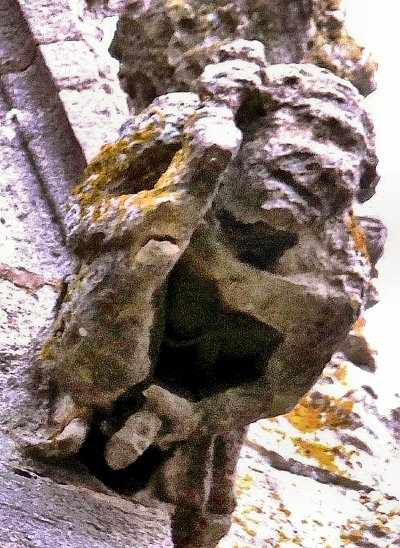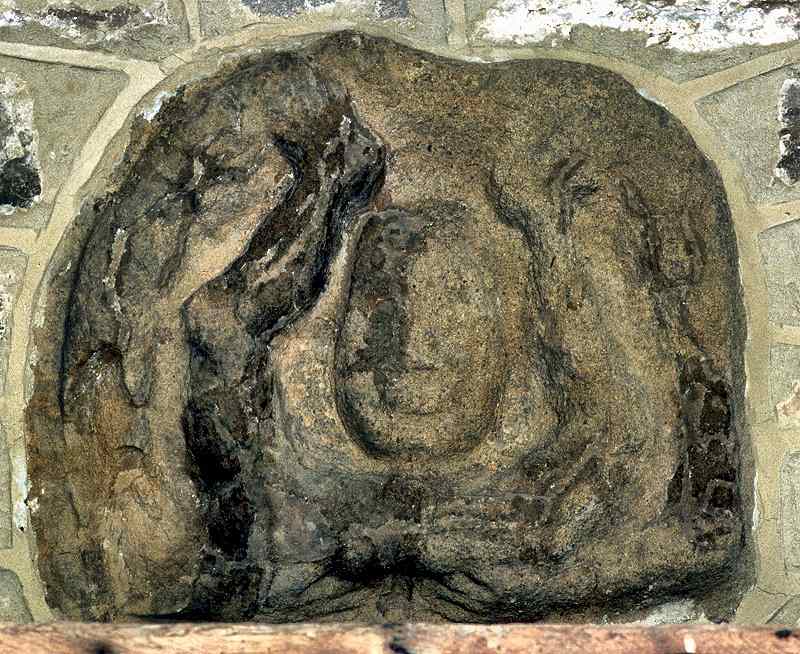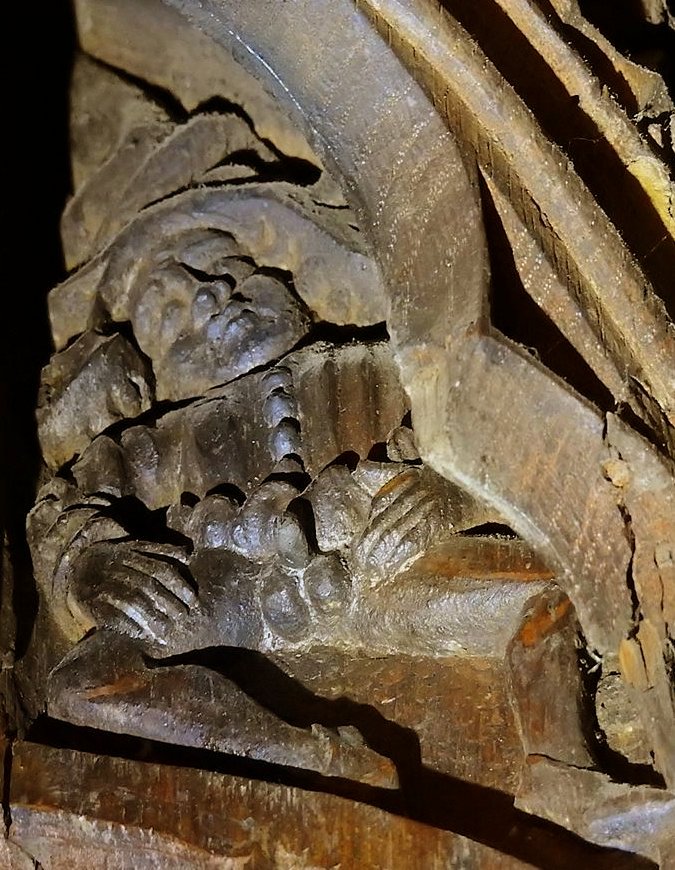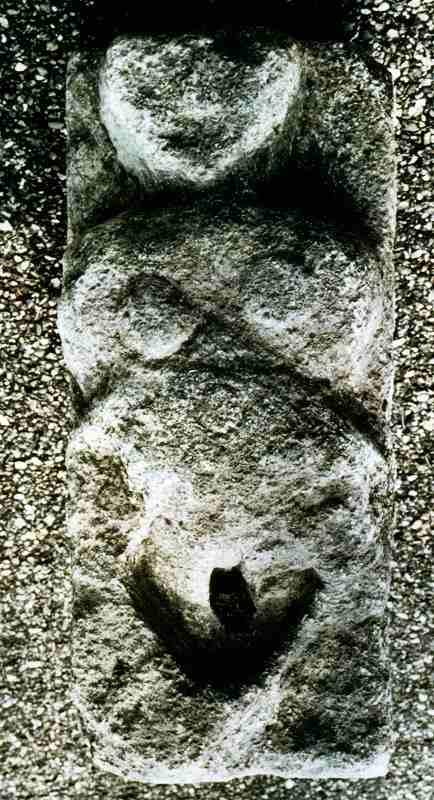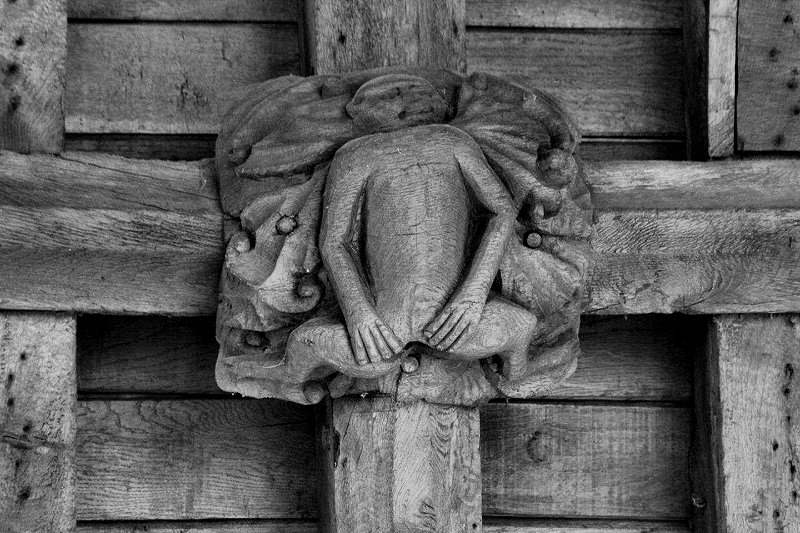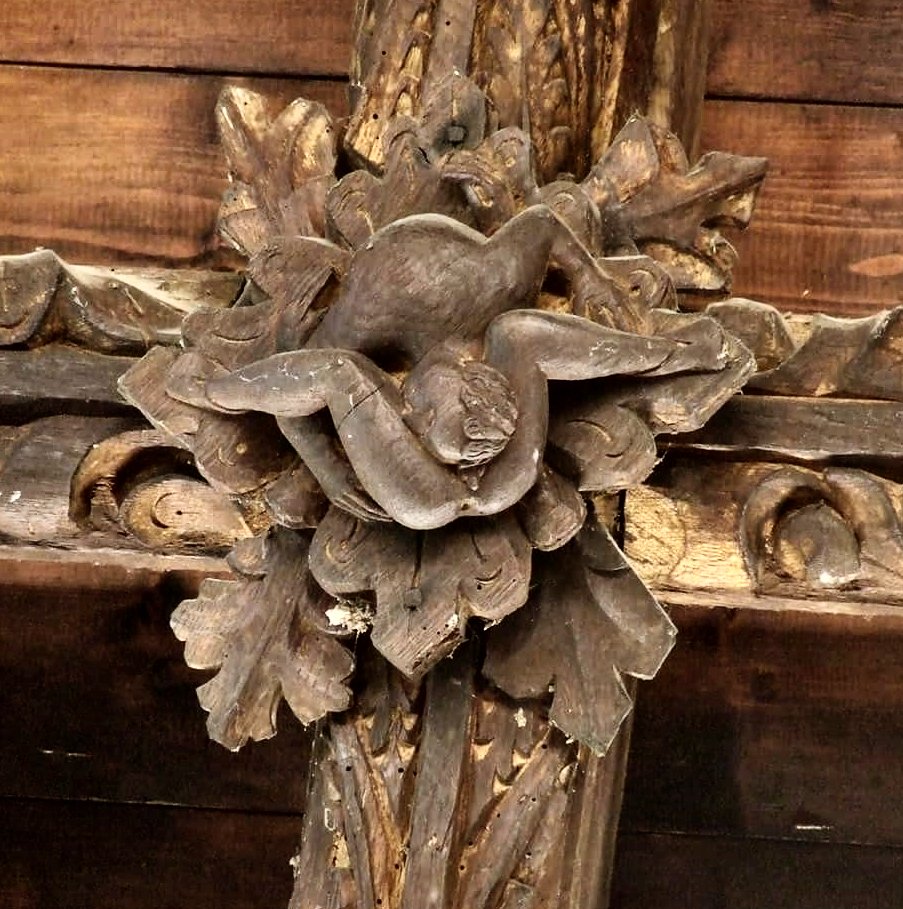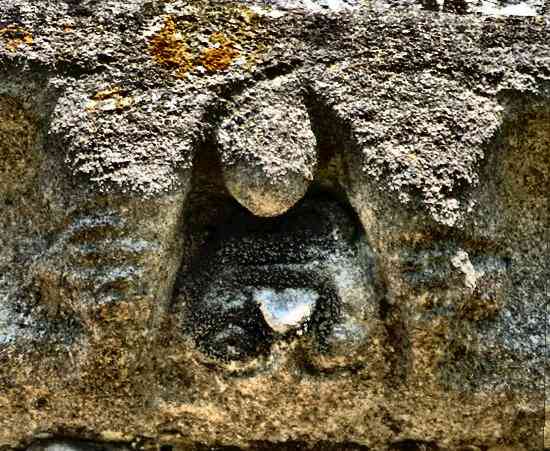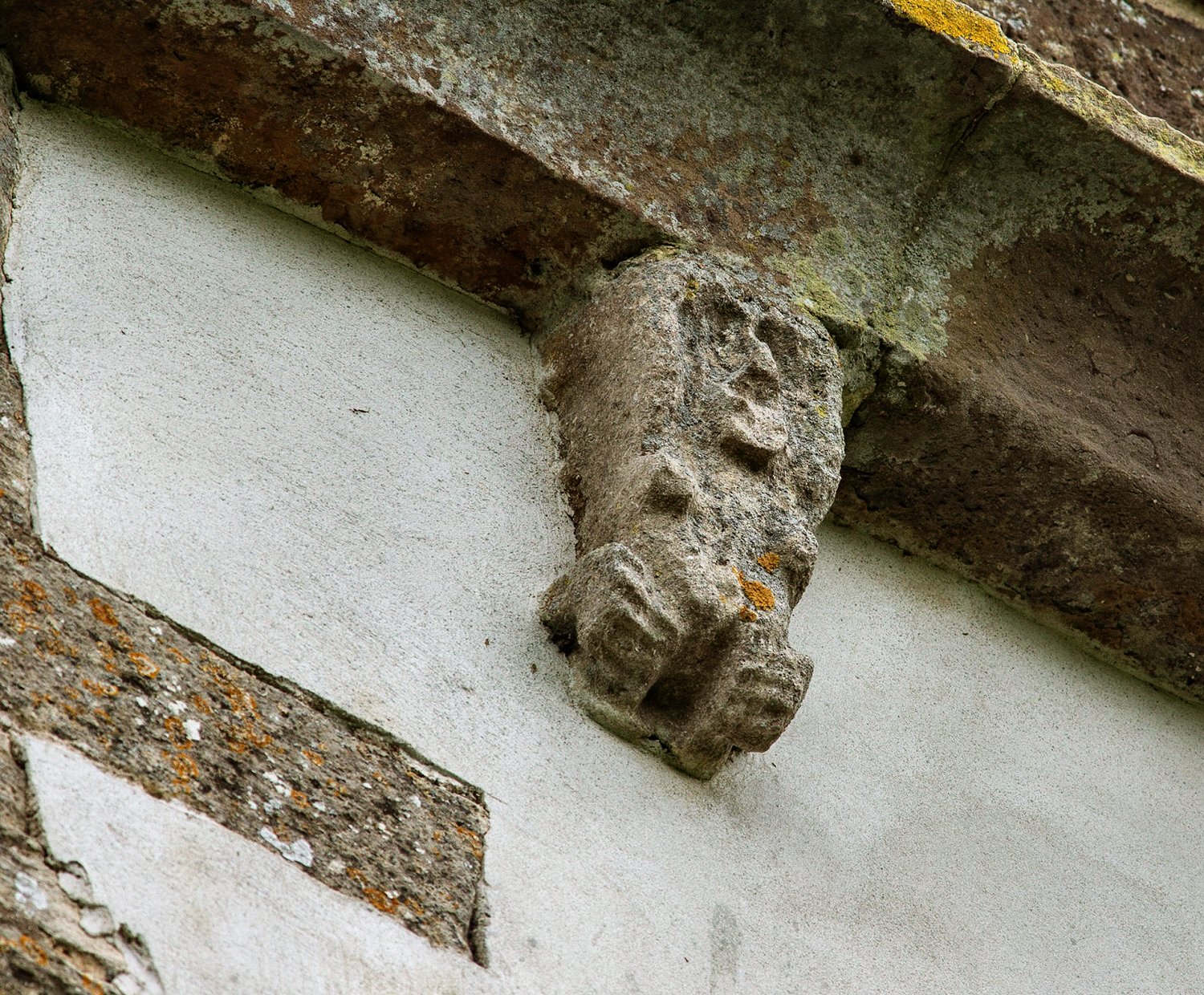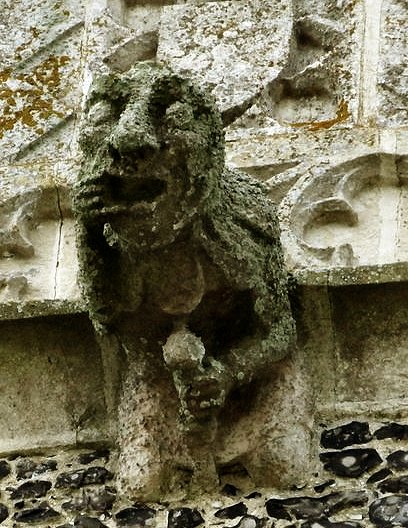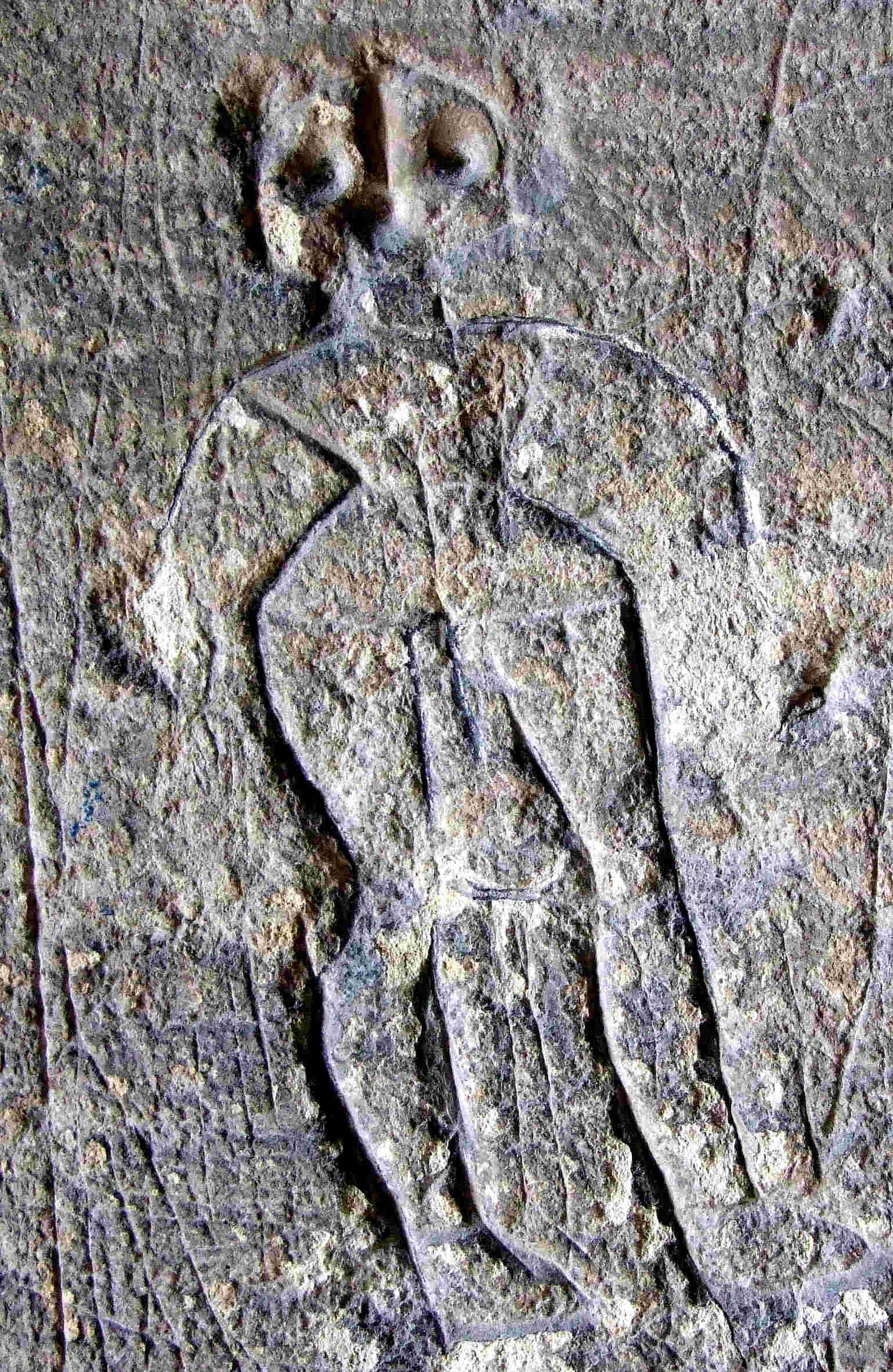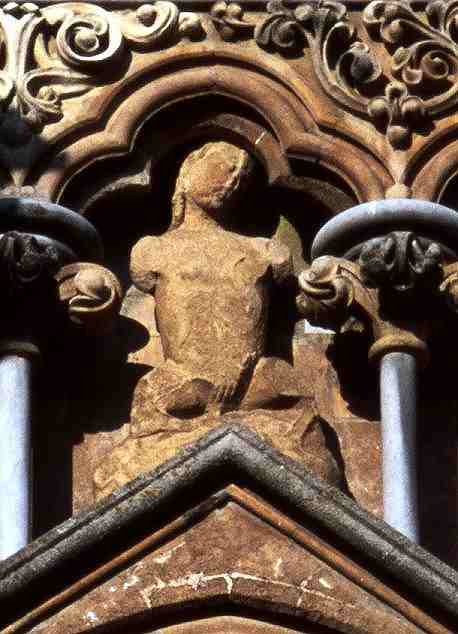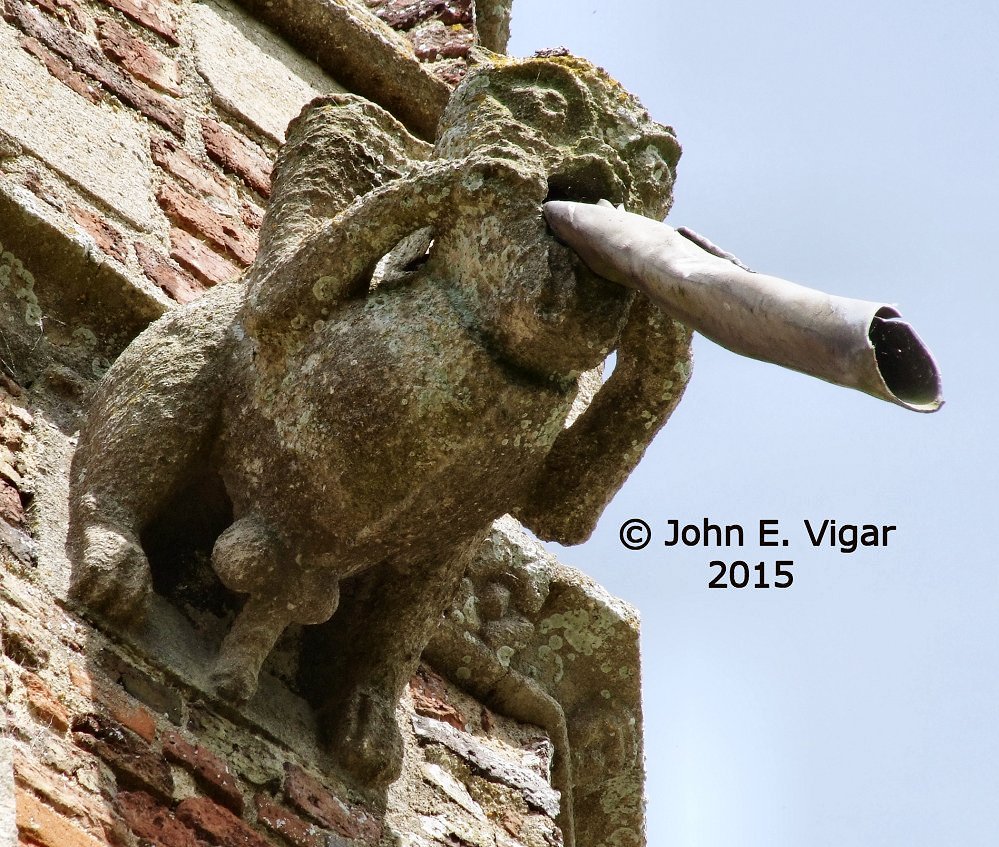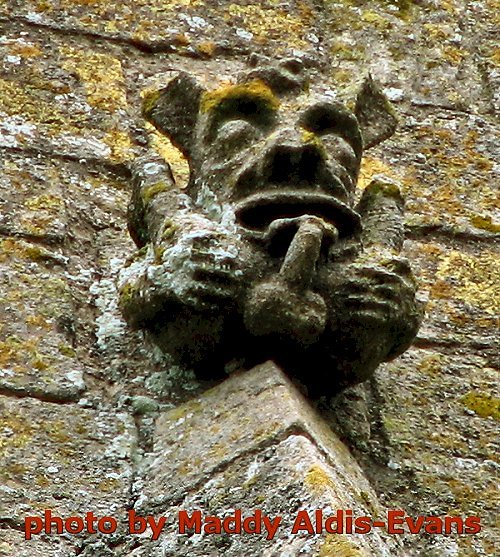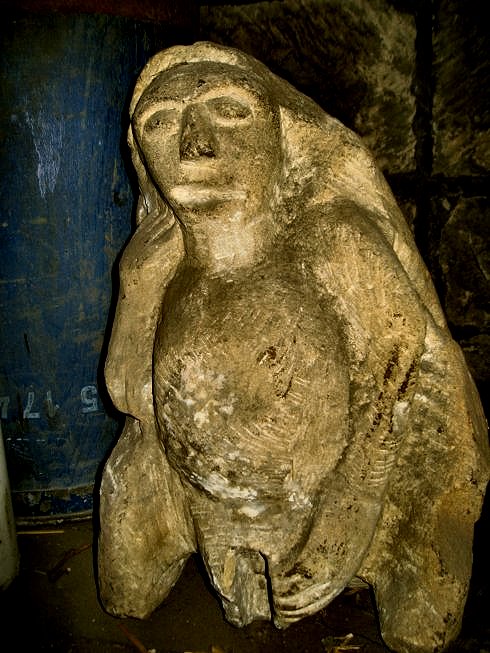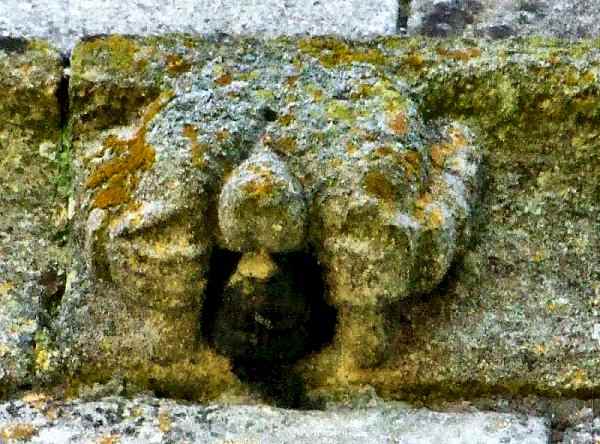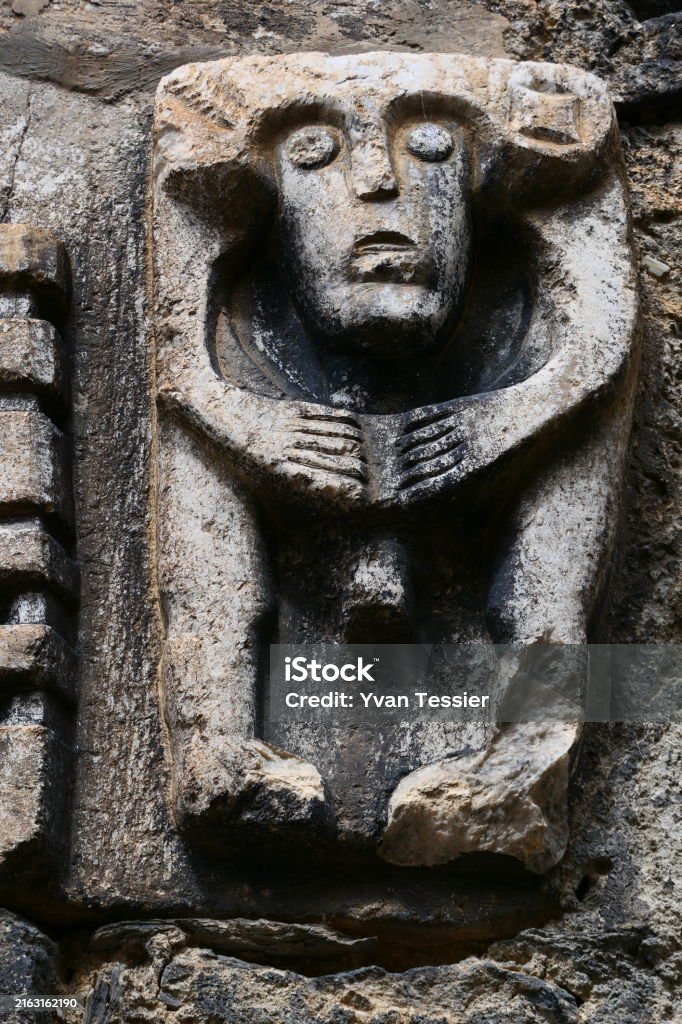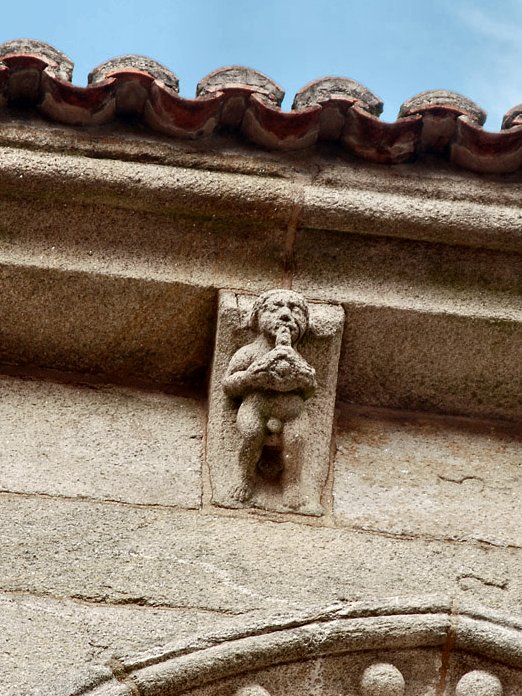
male exhibitionists on mediæval churches
ireland
& the phallic continuum
field
guide
to megalithic ireland
the
earth-mother's
lamentation
links to
ENGLISH FEMALE FIGURES
WITH CONTEXTS
on a companion site:
Ampney
Saint Peter Gloucestershire
Austerfield
Yorkshire
Bilton in Ainsty Yorkshire
Binstead Isle of Wight
Buckland Buckinghamshire
Copgrove Yorkshire
Cynghordy Carmarthenshire
Donyatt Somerset
Easthorpe Essex
Fiddington Somerset
Holdgate Shropshire
Kilpeck Herefordshire
Llanhamlach Brecon
Llanon Dyfed
Melbourne Derbyshire
Moulton Suffolk
Penmon Anglesey
Raglan Castle Monmouthshire
Romsey Hampshire
Royston Hertfordshire
Saintbury Gloucestershire
Stoke-sub-Hamdon Somerset
Twywell Northamptonshire
Wimborne Dorset
Winterbourne Monkton Wiltshire
Wolston Warwickshire
ANOTHER
SITE
FEATURING ENGLISH CHURCHES WITH EXHIBITIONISTS or RELATED MOTIFS AND
THEIR CONTEXTS
INCLUDES :
Bilton-in-Ainsty
East Yorkshire
Bishop Wilton East Yorkshire
Bugthorpe East Yorkshire
Etton Cambridgeshire
North Grimston North Yorkshire
Nunburnholme East Yorkshire
search
1. Grouped according to category

__________________________
2. Grouped
by period and country
|
ROMANESQUE
FIGURES POST-ROMANESQUE
FIGURES |
Map of Western Europe showing main distribution Violet shading indicates areas of concentration of Romanesque figues. |
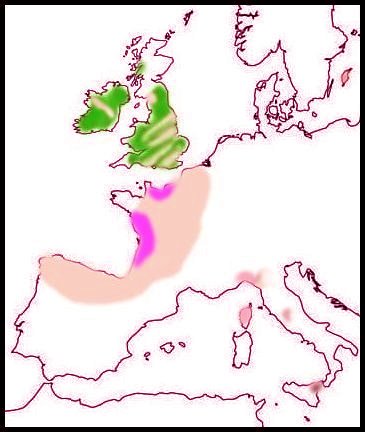
To locate churches on Google Maps click here.
|
Agen Lot-et-Garonne (male) Archingeay Charente-Maritime Aregno Corsica (male thornpuller) Arthous Landes Banyuls Pyrénées-Orientales (male) Barret Charente Beaulieu-sur-Dordogne Corrèze (homosexual monks ?) Béceleuf Deux-Sèvres Bommiers Indre Bonnesvalyn Aisne Bordeaux (Sainte-Croix) Gironde Bords Charente (male) Bougneau Charente-Maritime Brioude Haute-Loire (males) Bruyères-et-Montbérault Aisne Buère-Allichamps Cher (broken male) Caen (Saint-Etienne) Calvados Cambia Corsica (males) Camiac-et-Saint-Denis
Gironde (upside-down male Carennac Lot Cavanac Aude (tongue-pulling female & ithyphallic wolf) Chaix Vendé Chambonas Ardèche (anal exhibitionist and tonguesticker) Champagnolles Charente-Maritime Chartres Eure-et-Loir (male) Châteaumeillant Cher (coupling couple) Chouday Indre (vulva-puller with serene expression)
Clinchamps-sur-Orne
Calvados (acrobat displaying vulva Contré Charente-Maritime (acrobatic vukva-showing atlante) Courpiac Gironde (couple) Deyrançon Deux-Sèvres Droiturier Allier (male ape) Esquay-Notre-Dame
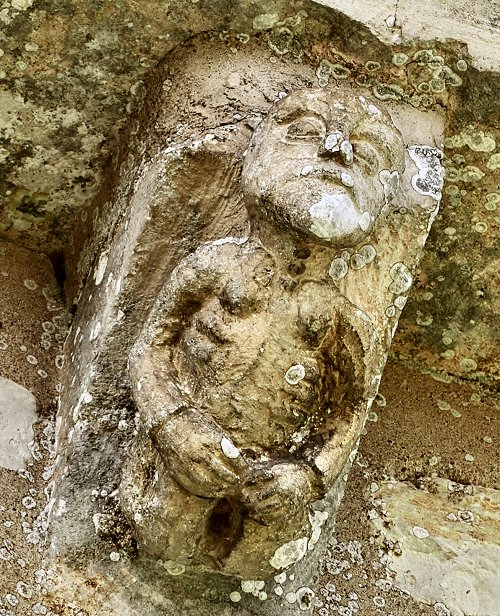
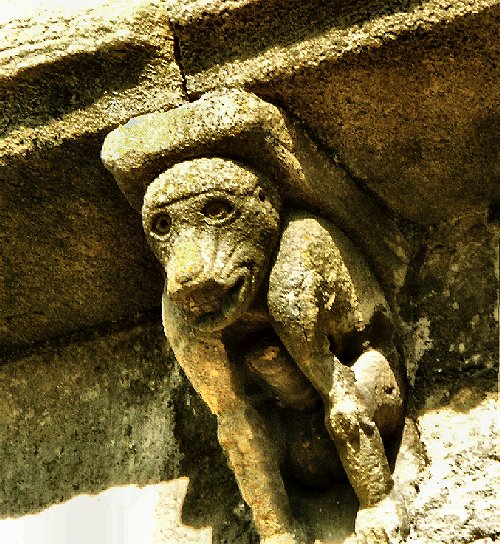
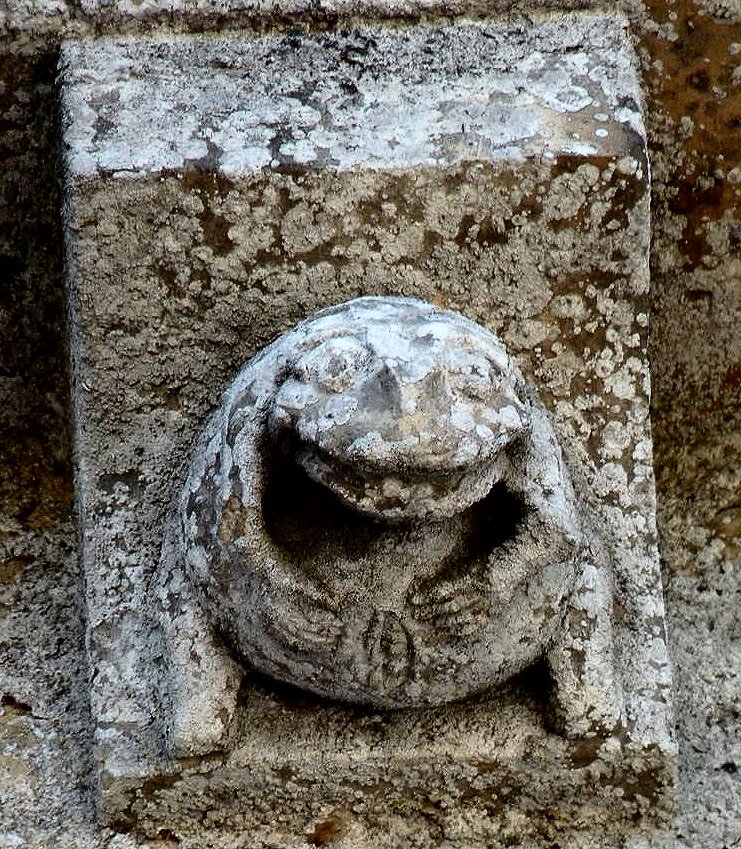
Calvados (lichen-covered corbels on Figeac Lot (male being swallowed by hellish beast) Fontaine-Henry Calvados, plus beast Fontaines d'Ozillac Charente-Maritime (acrobatic mouth-puller) Gannat Allier (mutilated, horned, tongue-poking male) Givrezac Charente-Maritime Graimbouville Seine-Maritime (male) Guitinières Charente-Maritime Haux Gironde (male) Jaligny-sur-Besbre
Allier (grotesque atlas-figure displaying La Charité-sur-Loire Nièvre (tongue-sticking simian) La Libarde Gironde (male canid) Le-Monastier-sur-la-Gazeille
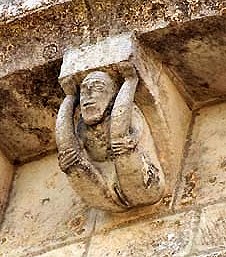
Haute-Loire (contortionist Lorignac Charente (microphallic male) Loupiac Gironde (male genitals Lugaignac Gironde (male) Lunac Aveyron Lupersat Creuse (male and female) Lussac-et-Nontronneau Dordogne(acrobatic male) Lusignan Vienne Mailhat Puy de Dôme (circumcised ape) Marigny Allier Melle
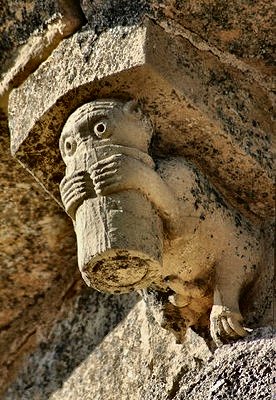
(Saint-Savinien) Deux-Sèvres Merlévenez Morbihan (megaphallic thorn-puller) Moissac Tarn-et-Garonne (Luxuria) Monbos Dordogne (with wolf) Monfrin Gard Montbron Charente Montmoreau-Saint-Cybard Charente (male) Montmorillon Vienne (Luxuria) Montmorillon Vienne (Luxuria) Montpeyroux Aveyron (male beast drinking from a bucket) Montvert Cantal Ôo Hautes-Pyrénées Poitiers (Saint-Hilaire) Vienne [Parize-le-Châtel
Nièvre (a punning & doubly-phallic, Passirac Charente Plaimpied Cher (broken male) Poursay-Garnaud Charente-Maritime (megaphallic musician) Puypéroux Charente Rabastens Tarn Rânes Orne Reignac Charente (mouthpulling female acrobat) Revest
du Bion Alpes de H-P (a completely abstract, Rivière Indre-et-Loire (upside-down male) Ruffec Charente (female and broken male) Saint-Antonin-Noble-Val Tarn-et-Garonne Saint-Contest Calvados Saint-Denis
Paris (crypt: crude squatting female roughed up Saint-Etienne-de-Lisse Gironde (male) Saint-Fort-sur-Gironde Charente-Maritime Saint-Front-sur-Nizonne Dordogne Saint-Gaulthier Indre (quoin-corbel) Saint-Jean-de-Côle Dordogne (megaphallic acrobat) Saint-Léger-de-Montbrillais Vienne Saint-Léger-en-Pons Charente Saint-Léonard-de-Noblat Haute-Vienne (male) Saint-Loup-Hors Calvados Saint-Macaire
Gironde (damaged male ? holding up two Saint-Martin-de-Sescas
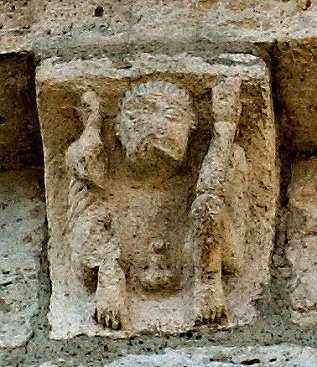
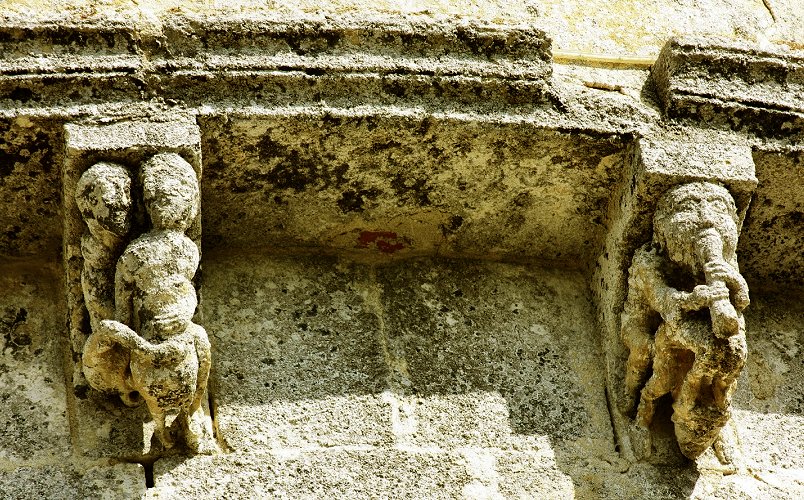
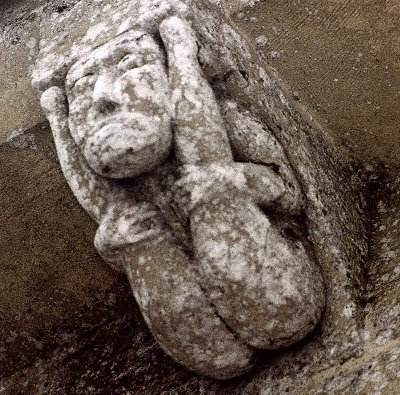
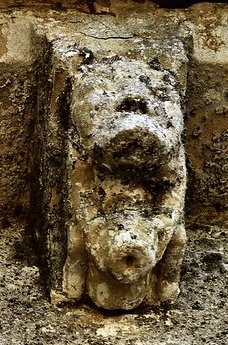
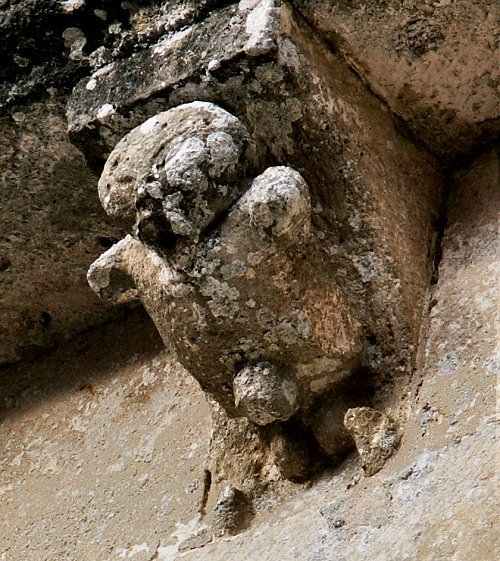
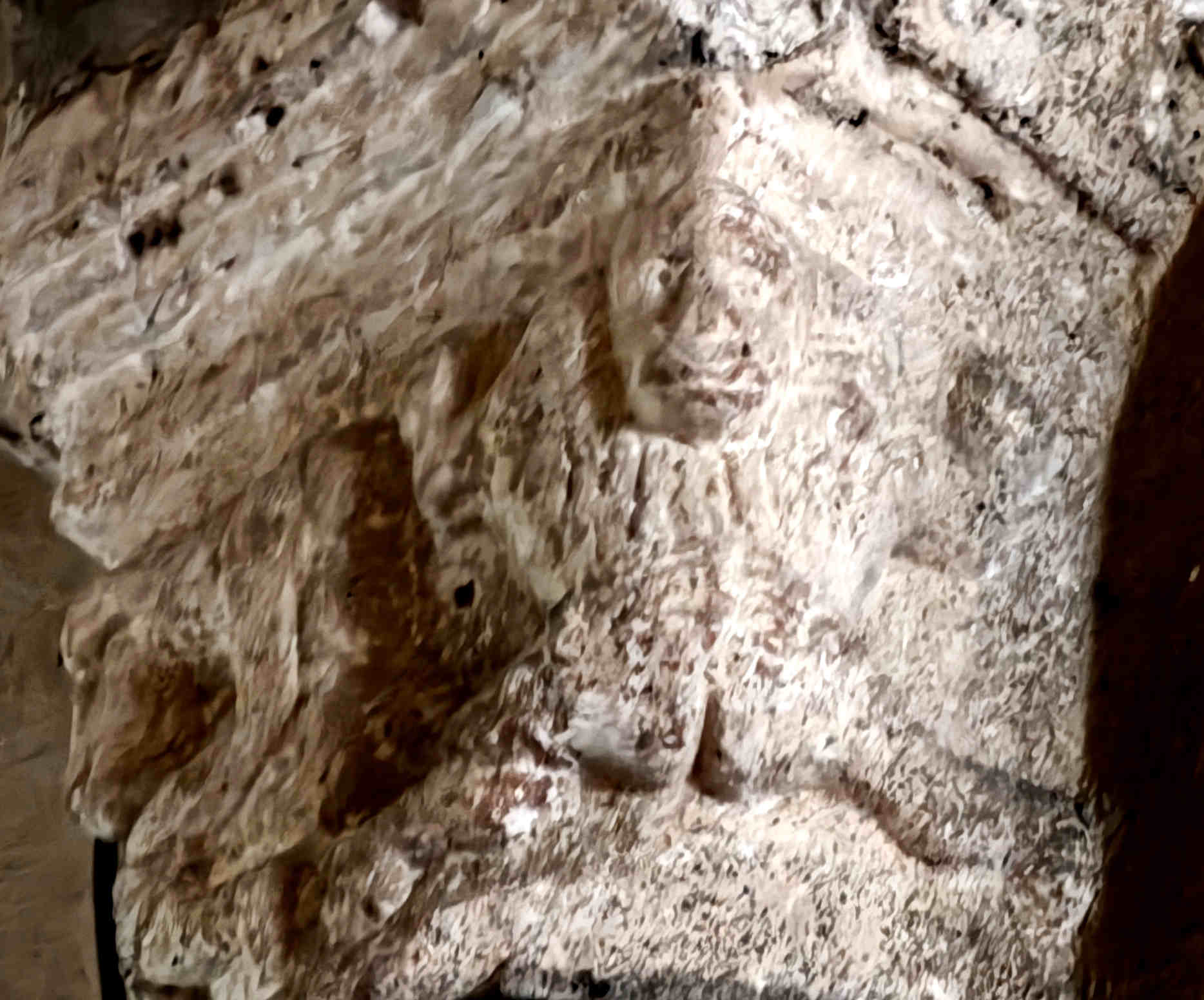
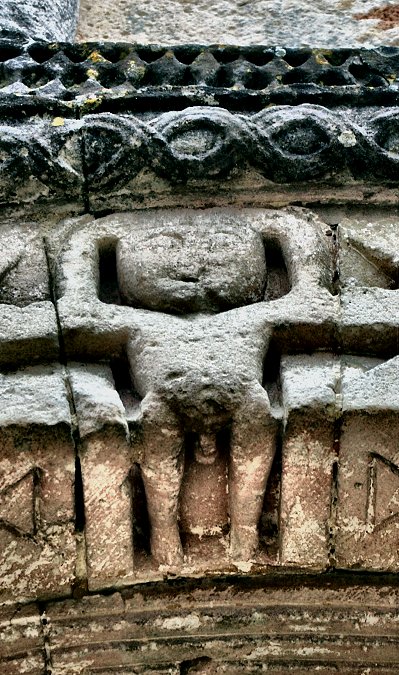
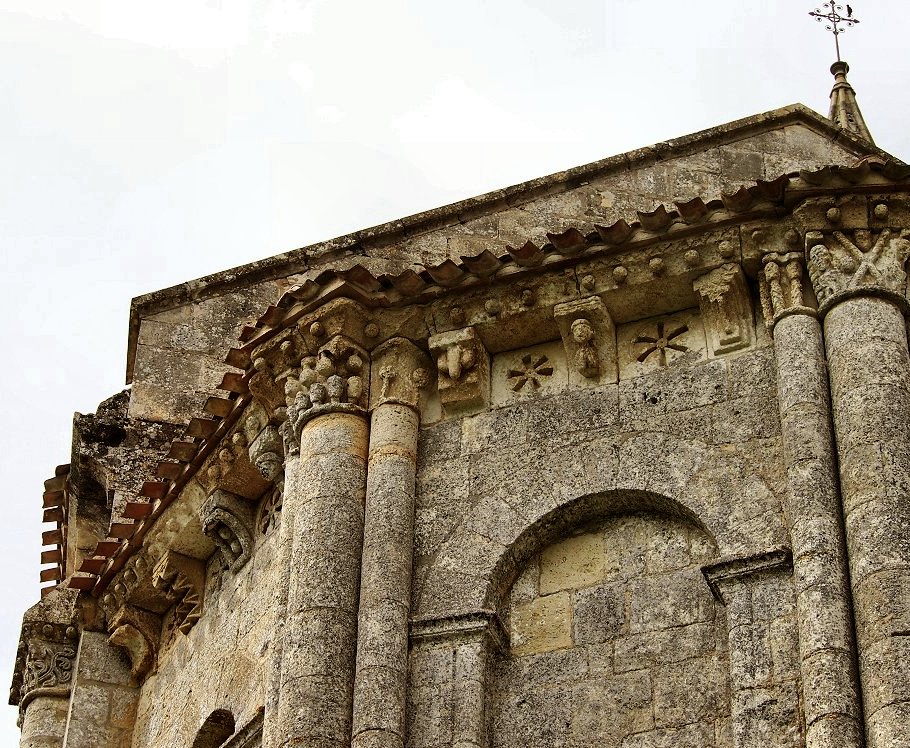
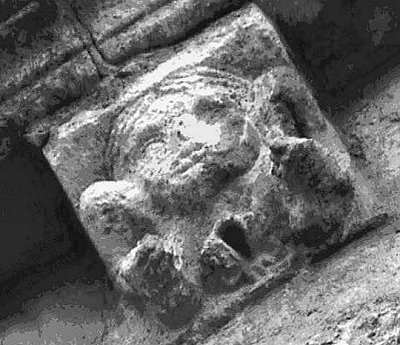
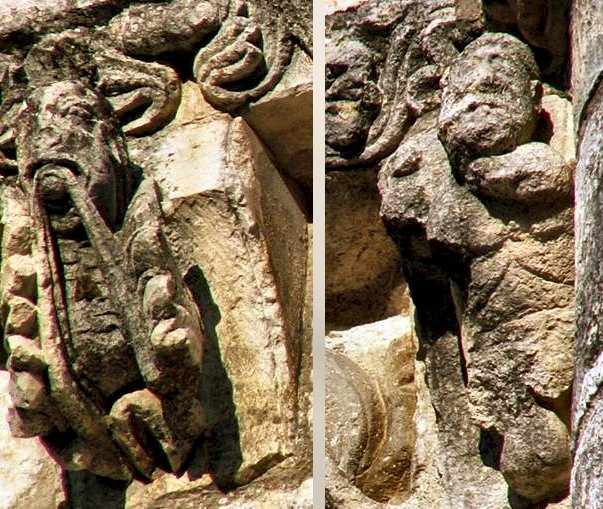
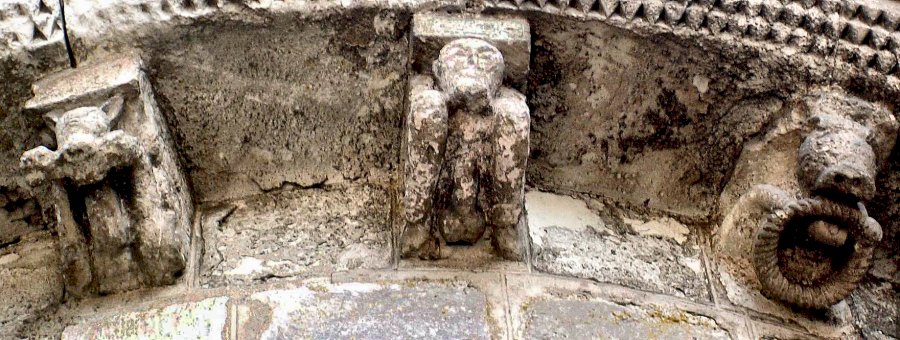
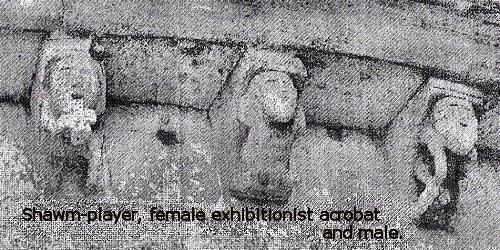
Lot-et-Garonne (masturbating Saint-Palais Gironde Saint-Privat-des-Prés Dordogne (mouthpulling female, restored) Saint-Quantin-de-Rançanne[s] Charente-Maritime Saint-Quentin-de-Baron Gironde (megaphallic male) Sainte-Marie-du-Mont Manche (frog-headed female) Sainte-Mère-Eglise Manche churches in the Salers area of the Cantal Savennières Maine-et-Loire Semur-en-Brionnais Saône-et-Loire Sens Yonne (Luxuria without snakes) Sévignacq-Thèze Pyrénées-Atlantiques Targon Gironde Tesson Charente-Maritime (pair of acrobats) Vézelay Yonne Vienne-en-Bessin Calvados Villedieu-sur-Indre Indre (male) Villenave d'Ornon Gironde (female acrobat and male) Vinax Charente-Maritime
Caussade Tarn-et-Garonne Châtelaudren Côtes d'Armor (roof-boss: male with tenoned penis missing) Cleyrac Charente Jersey Channel Islands La Rochelle Charente-Maritime (exhibitionist pair in crude low relief reported on Facebook, location not divulged.) Le Thors Vaucluse: 14th century château de Thouzon (engraved tongue-sticking masturbator cocking a snook). Monpazier
Dordogne
Bistrup Zealand (phallus-headed male) Gelsted Jutland (male with serpents, accompanying Luxuria) Øster Starup Jutland (two males with mussel-shaped penises) Voer, Vendsyssel, North Jutland (a rather poor illustration of ahard-to-see, hand-to-groin female exhibitionist on the granite font published in ICO, Den iconographiske post #2, 1977 page 35)
click
here for a list
|
[Alós de Isil Lleida (probably post-Romanesque plaques above a Romanesque doorway)] Agüero Huesca Arce Navarra (broken male) Barahona Segóvia (view all corbels) Barcena
de Pie de Concha Cantabria (masturbating Berrioplano Navarra Besalù Girona (naked male and female) Bolmir Cantabria (males and females) Canga
de Onis
Asturias (male masturbator ?monk Castiltierra Segóvia (megaphallic dolio-blower) Cervatos Cantabria (various) Corullón León Frómista Palencia (megaphallic male) Fuentidueña Segóvia (couple) Jubia (Xubia) A Coruña (three males and one female) La Llorada, Villaviciosa Oviedo (coupling couple) Lomilla de Aguilar Palencia (vulva-pulling Luxuria) Mens A Coruña (feet-to-ears female) Olóriz Navarra Mansilla de la Sierra La Rioja (ithyphallic beard-puller) Padilla de Arriba Burgos (vulva-pulling female) Rodeiro Pontevedra (megaphallic contortionist) Sangüesa Navarra (ithyphallic dog, restored) Santa Catalina de Ciriza Navarra Santa
Maria de Nogueiro de Miño Ourense
(strange Santa
Mariña de Esposende Ourense
(male Dolio- Santa Marta del Cerro Segóvia (pair) Santiago
de Compostela La Coruña (megaphallic Santillana del Mar Santander Seu d'Urgell Lleida Vilach Lleida Yermo Cantabria Zamora Zamora Rubiães Minho (megaphallic Dolio-player) Longos Vales Minho (megaphallic squatter)
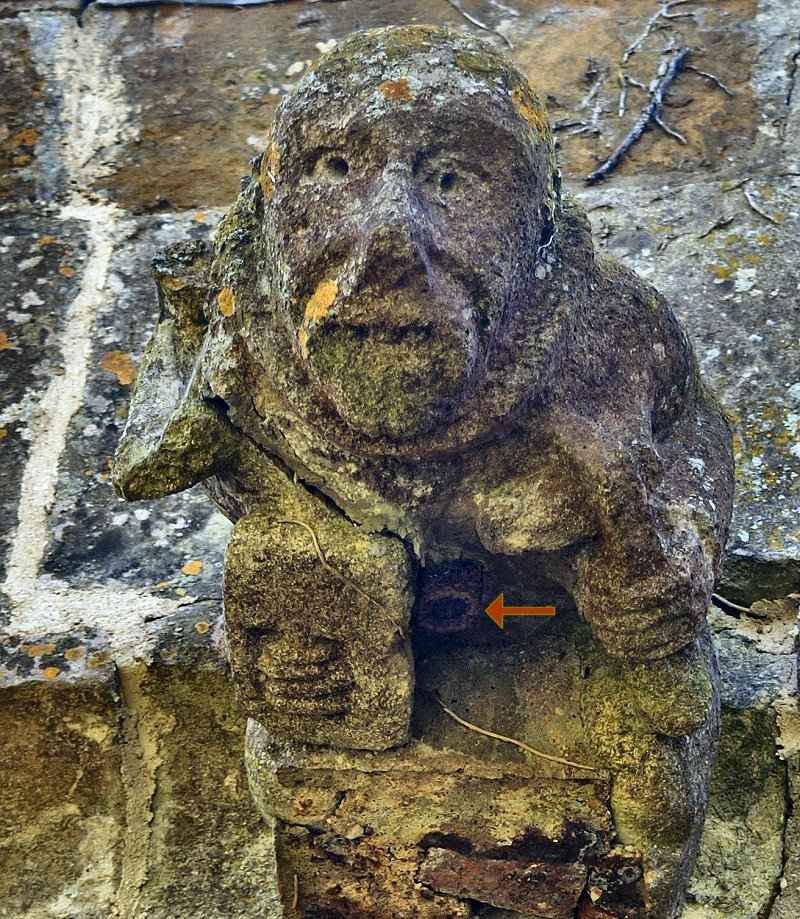
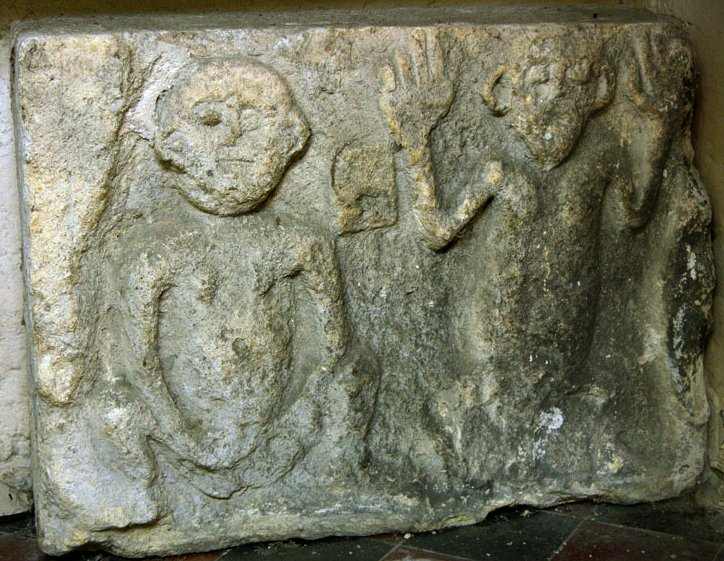
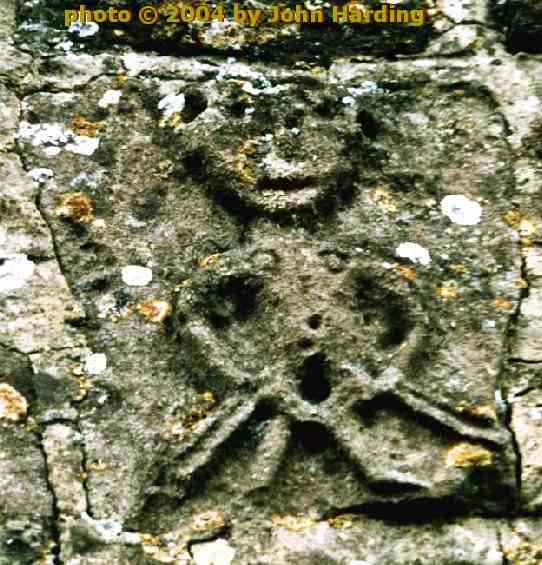
Alstonefield Staffordshire Auctioned in Dublin provenance unknown Austerfield South Yorkshire Barton-le-Street North Yorkshire (decorative ithyphallic male?) Binstead Hampshire ('The Idol', hunkered on a beast-head on top of a gable, originally above North door.) Bishopstone East Sussex Bolam Northumberland (probable splay-legged male) Bredwardine Herefordshire Buncton Sussex Burford Oxfordshire Church Langton Leicestershire (low relief panel in vestry) Claypole Lincolnshire (male) Cleckheaton Yorkshire Clevedon Somerset (seriously defaced) Devizes Wiltshire (pair) Donyatt Somerset (wearing a belt) Ely Cambridgeshire Exeter Devon Etton Cambridgeshire Glasgow Scotland (female & probable male) Gosberton Lincolnshire (male) Grain Kent Grantham Lincolnshire (male atlas) Kilpeck Herefordshire Kirknewton West Lothian, Scotland Kirkwall Orkney Islands, Scotland Lanhamlach Powys Lincoln Lincolnshire Linley Shropshire (almost-exhibitionist foliage-spewer) Louth Lincolnshire (exhibitionist male musician playing fife and drum) Lower Swell Gloucestershire Malton Yorkshire (couple) Melbourne Derbyshire (not exhibitionist, but sometimes considered as such) Northampton
St
Peter's (various) Nunburnholme Yorkshire (male) Rochester Kent Romsey Abbey Hampshire Southwell Minster Nottinghamshire Studland Dorset Twywell Northamptonshire (see church) Whittlesford Cambridgeshire West Knoyle Wiltshire (male beast, transitional) Wimborne Minster Dorset (male mouth-puller, with snake-heads) Wolston Warwickshire Worth Matravers Dorset Wroxham Norfolk York Minster Yorkshire
Annaghdown Galway (male) Auctioned in Dublin provenance unknown Berrymount Cavan Clonmacnois (Nuns' Church) Offaly Glendalough (St Saviour's) Wicklow Liathmore Tipperary Monasterboice (Muiredach's Cross) Louth Rath Clare White Island Fermanagh Assisi Perugia (high up on a wall overlooking a street) Berceto Parma (ithyphallic bear on lintel of cathedral) Castel Sant'Elia l'aria di Roma nella Basilica, Viterbo (standing male entwined by snakes) Cefalù
and
Cortazzone Piemonte (males and females) Fidenza Parma (Luxuria - or a high-class whore ?) Gropina Arezzo (males) Modena (hermaphrodite ?) Nepi Viterbo (exhibitionist mermaid and male) Tarquinia Santa Maria in Castello, Viterbo (microphallic male Luxuria with snakes) Vicofertile Parma (much-rubbed male)
PALESTINIAN ROMANESQUE FIGURES Jerusalem Church of the Holy Sepulchre (male)
Baden-Württemberg
Some possibly-exhibitionist
carvings resembling sheela-na-gigs, photographed by Emil Bock
in his Schwäbische Romanik - Baukunst und Plastik im
Württembergischen Raum. |

 Monreale
Search
for a church,
castle, or topic.
YouTube videos of Romanesque carvings, with excellent music.
For
a fine miscellany of exhibitionists, male and female, on one FlickR
page, click here.
|
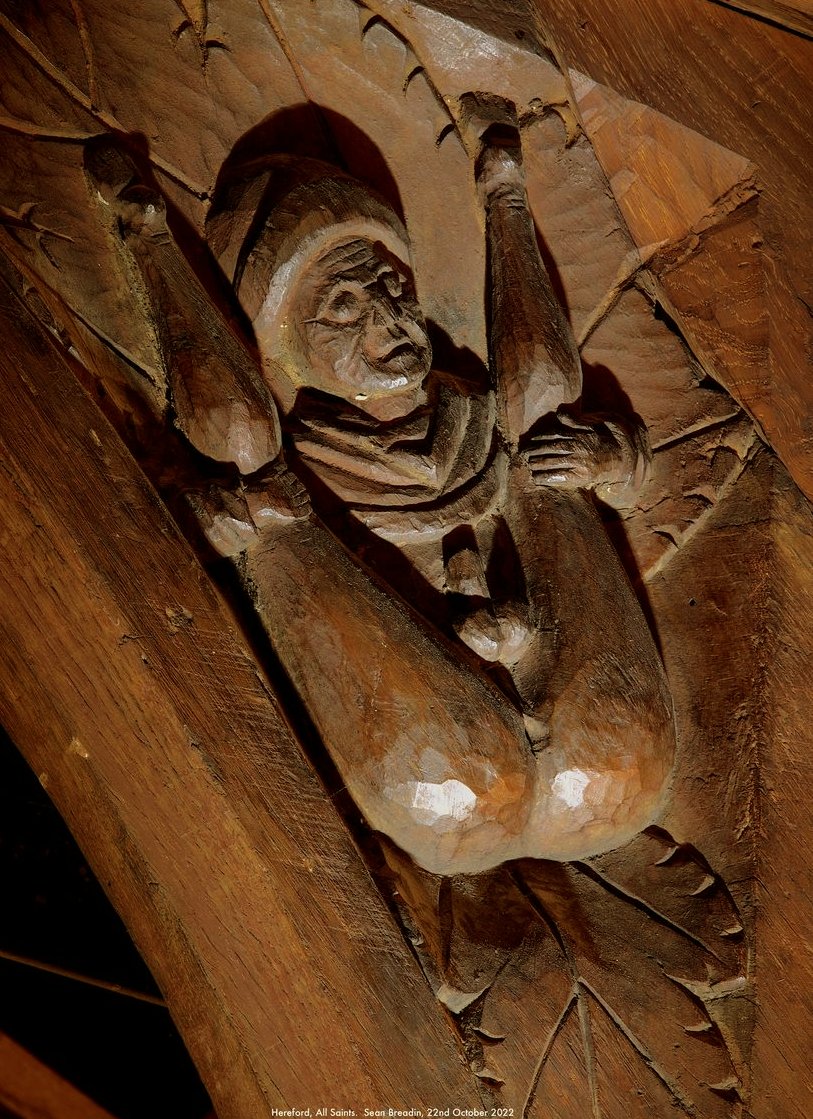
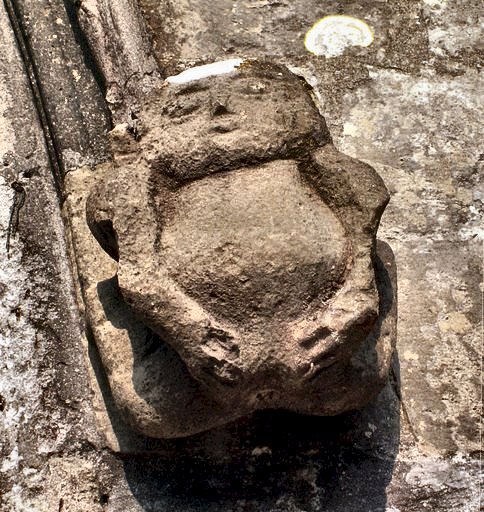
Ancaster Lincolnshire (male and female) Ampney-St-Peter Gloucestershire Ansford Somerset (male) Ashbourne Derbyshire (female discovered in 2016) Aston Somerville Worcestershire (simian male[s]) Atherington Devon (tubby and jolly male devil) Ballidon Derbyshire (acrobatic female on font) Bilton-in-Ainsty Yorkshire Brant Broughton Lincolnshire (male self-fellator) Bray Berkshire Buckland Buckinghamshire Church Langton Leicestershire (hermaphrodite ?) Church Stretton Shropshire Cynghordy Carmarthenshire (ambiguous figures) Copgrove Yorkshire Croft-on-Tees Durham Denton Lincolnshire (feet-to-ears self-fellater) Donyatt Somerset (a small statue messed-about-with, unlikely to be genuine 'folk-art'. Probably mere and recent porn. Photo by John Harding. Easthorpe (Colchester Museum) Essex Egremont Cumbria Ewerby Lincolnshire (male acrobat with realistic penis) Lincolnshire Fiddington Somerset (very worn dancing female with raised left arm) Grantham Lincolnshire (male and female) Haddon Hall Derbyshire Hereford, All Saints (male acrobat on a roof-beam) Holdgate Shropshire Horninghold Leicestershire (male feet-to-ears self-fellator on 14th century tower) Kildonan Isle of Eigg, Argyll Iona Argyll (two females and a male) Jersey Channel Islands Lammas Norfolk Litchborough Northamptonshire (crude megaphallic male) Llandrindod Radnorshire Lowesby Oxfordshire (male workman with modest but realistic penis) Margam Glamorgan Moulton Suffolk (somewhat damaged male and female) Oakham Leicestershire (scrotal male) Painswick Gloucestershire (male) Penmon Anglesey Pennington Cumbria Raglan castle Monmouthshire (Doubtful, probably inauthentic0 Ripon Yorkshire (clothed male on wooden canopy of stalls) Rodel Isle of Harris, Scotland (male; female) St Ives Huntingdonshire (now Cambridgeshire) South Tawton Devon (roof-boss) Tawstock Devon (impossible homosexual scene on roof-boss) Taynuilt Argyll, Scotland Tickhill Castle Yorkshire Tilton-on-the-Hill Leicestershire (scrotal male) Tugby Leicestershire (squatting female on tower revealing nothing) Walberswick Suffolk (ithyphallic, probably masturbating, mouth-puller with breasts) Welbourn Lincolnshire (late sgraffito in porch) Wells cathedral Avon (broken ?Luxuria in a niche) Wiggenhall (St Mary the Virgin) Norfolk (male, mouth-pulling water-spout) Winterton Monckton Wiltshire (confusing figure of indeterminate sex, possibly acrobatic, but not exhibitionist) Woodford Northamptonshire (male on tower) Woodkirk Yorkshire Wymondham Leicestershire (scrotal male on tower)
|
Marienhafe Ostfriesland
Zutphen Gelderland
Matriz de Caminho Minho (a very Romanesque anal male on a late-15th century church)
Alós de Isil Val d'Aran, Lleida (males and females above a Romanesque doorway) Arties Val d'Aran, Lleida, (megaphallic male beside 16th centuy window on Casa Paulet) Santiago de Compostela La Coruña (shawm-player on the 14th century Museo das Peregrinacions)
Stanton St Quintin (Wiltshire)
YouTube
video of
click
here for a list
|

updated September 2026
PLEASE REPORT FAILED LINKS TO

This site delivers no cookies, and has been empowered by FloatBox




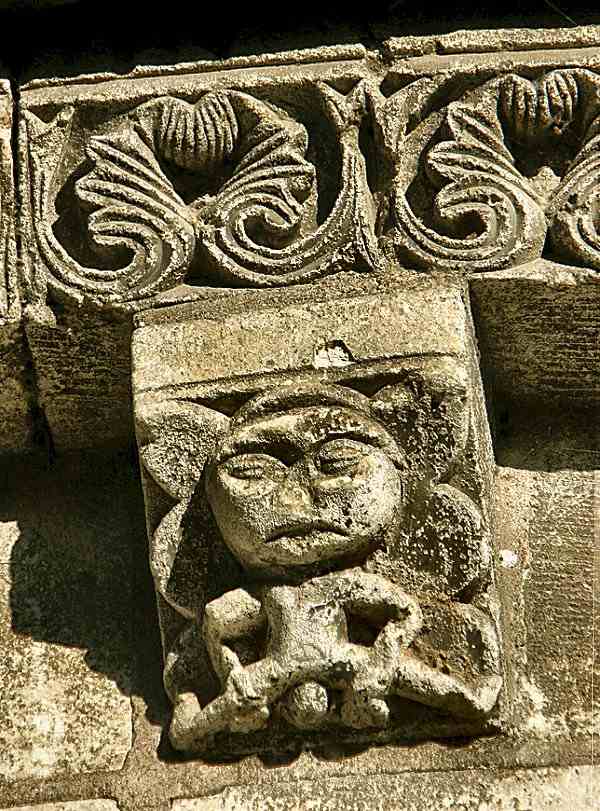
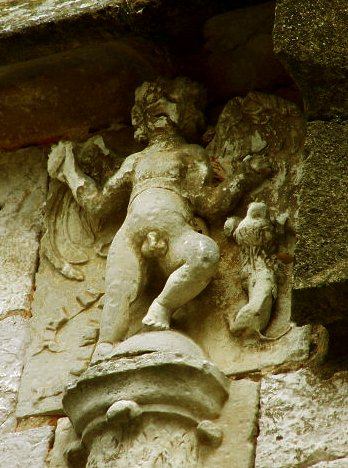
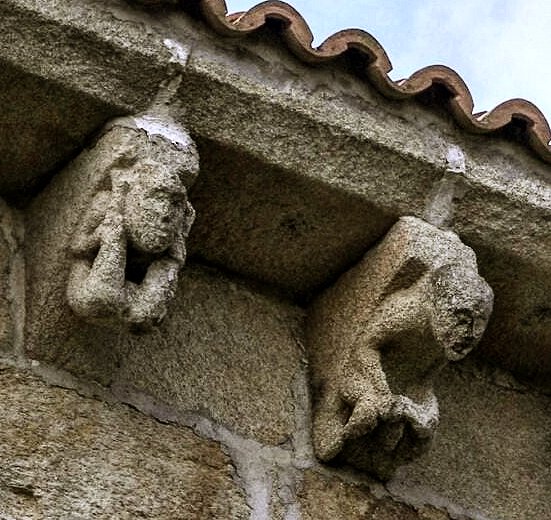
![Saint-Quantin-de-Rançanne[s]](xStQdeR.jpg)





.jpg)